


Mold grows when moisture stays trapped in indoor spaces for too long. A dehumidifier can help prevent mold by reducing excess humidity and creating a less suitable environment for mold growth. While a dehumidifier cannot remove existing mold from walls, furniture, or other surfaces, it can reduce one of the main conditions mold needs to spread: high moisture levels.
For homeowners dealing with damp basements, humid bedrooms, or moisture problems in small spaces, choosing the right dehumidifier can make indoor air easier to manage and help protect your home from future mold issues.
Can a Dehumidifier Stop Mold Growth?
The answer is yes, but with an important limitation. A dehumidifier can slow down or prevent mold growth by controlling indoor moisture, but it does not kill mold that is already established.
Mold spores exist naturally in the air. They usually become a problem when they find a damp environment where they can grow. High humidity, water leaks, condensation, and poor ventilation create ideal conditions for mold development.
A dehumidifier removes moisture from the air, lowering the relative humidity and making surfaces less likely to stay damp. This is why many homeowners use a dehumidifier for mold prevention in areas that commonly collect moisture.
How Does a Dehumidifier Help With Mold?
A dehumidifier works by pulling humid air into the unit, removing moisture through condensation, and releasing drier air back into the room.
When humidity levels remain controlled:
-
Walls and floors are less likely to collect condensation
-
Fabrics and furniture dry faster
-
Basements become less favorable environments for mold
-
Musty odors caused by excess moisture may decrease
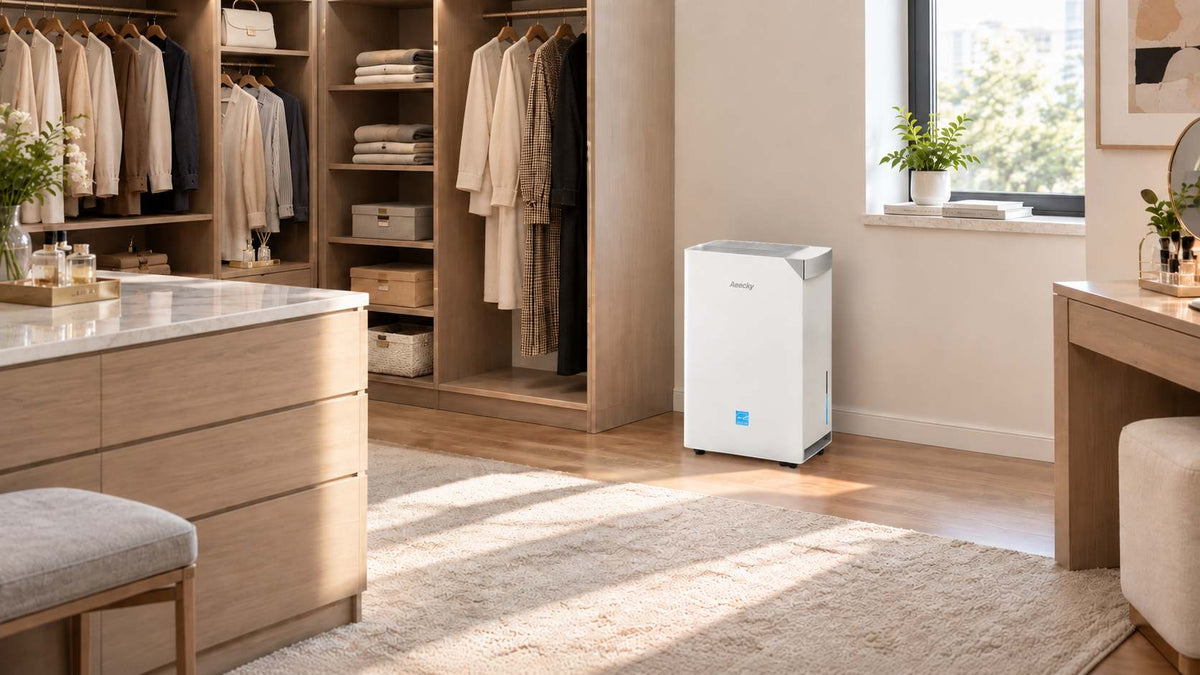
For example, a damp basement often requires stronger moisture control than a small bedroom. AEOCkY offers different solutions depending on the space, including the Rhea Series Energy Efficient Whole House Dehumidifier for larger areas and whole-home humidity management.
What Humidity Level Prevents Mold?
Most experts recommend keeping indoor relative humidity between 30% and 50% to reduce the risk of mold growth.
When humidity rises above this range, moisture can accumulate on cooler surfaces such as windows, basement walls, and exterior-facing corners. These areas often become the first places where mold appears.
Understanding Humidity Level to Kill Mold With Dehumidifier Use
A dehumidifier does not directly kill mold by reaching a certain humidity level. Instead, it creates conditions where mold has difficulty growing.
Keeping humidity around 40%–50% is generally considered a practical target for mold prevention. Extremely dry air is not necessary and may create other comfort issues.
Using a humidity monitor can help you understand when your dehumidifier needs to run. Many modern units automatically adjust operation based on current moisture levels.
Where Should You Use a Dehumidifier for Mold Prevention?
Different areas of a home have different moisture challenges. Choosing the right type of dehumidifier depends on where the humidity problem happens.
Dehumidifier for Mold in Basement
Basements are one of the most common places for mold because they are naturally cooler and often have higher moisture levels. Concrete walls and floors can absorb moisture, creating a long-term humidity problem.
A basement dehumidifier should have:
-
Enough capacity for the room size
-
Continuous drainage options
-
Reliable operation for extended periods
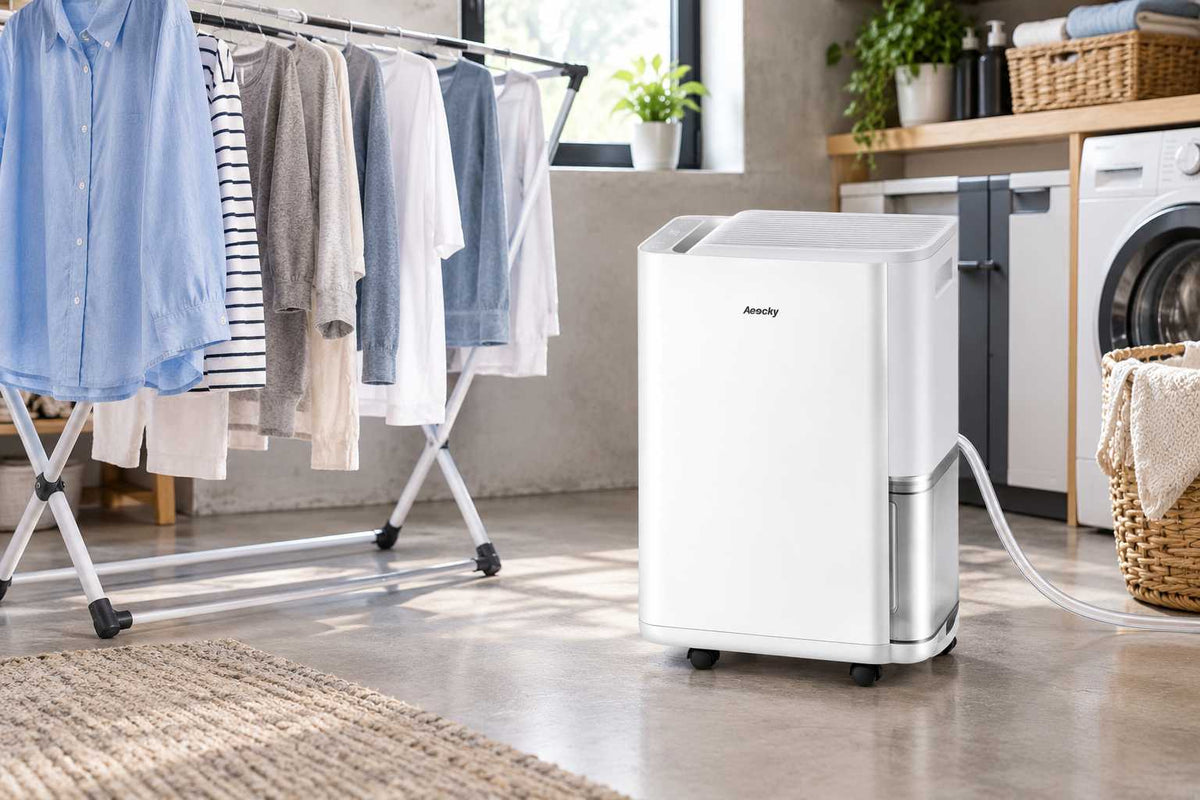
For larger basements or homes, AEOCkY’s Leo Series Energy Most Efficient Dehumidifier with Pump for Basement is designed for spaces where consistent moisture removal is needed.
Dehumidifier for Bedroom Mold Prevention
Bedrooms can also experience humidity problems, especially in areas with poor ventilation or during humid seasons.
A bedroom dehumidifier should focus on:
-
Quiet operation
-
Compact design
-
Energy-efficient performance
A smaller unit like the Arion Small Portable Dehumidifier for Bedroom and Motorhomes can be suitable for bedrooms, RVs, and other smaller spaces where moisture control is needed without taking up much room.
A quiet dehumidifier for mold and mildew control is especially useful in bedrooms because excessive noise can affect sleep quality.
How to Choose a Dehumidifier for Mold and Mildew Control
Before buying a dehumidifier, consider three important factors.
Room Size and Moisture Capacity
A small bedroom and a large basement require different moisture removal capacities. Choosing a unit that matches the space helps maintain stable humidity.
For homeowners looking for energy-efficient options, AEOCkY’s Leo Lite Series Energy Star Dehumidifier for Home provides a solution designed for residential moisture control.
Noise Level
If the dehumidifier will run in a bedroom, office, or living area, noise level matters. Look for models designed for quieter operation.
Drainage Options
Regularly emptying a water tank can become inconvenient. Units with continuous drainage or pump functions can make long-term use easier.
AEOCkY also provides a range of Energy Star models through its Energy Star Dehumidifier Series collection, offering options for different home sizes and moisture conditions.
Other Steps to Prevent Mold Besides Using a Dehumidifier
Humidity control is one part of mold prevention. For better results:
-
Repair water leaks quickly
-
Improve air circulation
-
Use exhaust fans in bathrooms and kitchens
-
Dry wet materials as soon as possible
-
Clean visible mold properly
If mold is already growing, removing the source of moisture is necessary, but additional cleaning or professional treatment may be required depending on the size of the problem.
Conclusion
A dehumidifier can help prevent mold by controlling excess moisture and maintaining healthier indoor humidity levels. It works best as part of a larger moisture management plan, especially in areas like basements, bedrooms, and other spaces where humidity builds up.
The key is choosing a unit that matches your space and moisture conditions. Whether you need a compact option for a bedroom or a stronger system for a basement or whole home, proper humidity control can reduce the conditions that allow mold to grow.


Leave a comment
This site is protected by hCaptcha and the hCaptcha Privacy Policy and Terms of Service apply.