

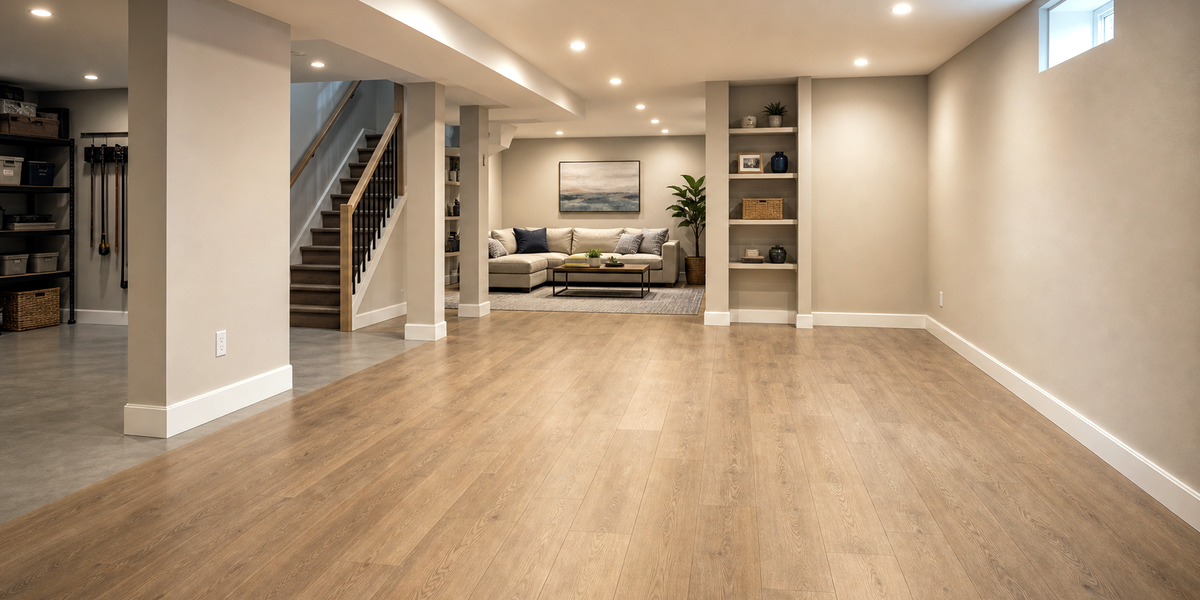
You mop the floor. You open the windows. You light a candle.
But walk into your basement on a humid afternoon and that familiar musty smell is still there — musty, heavy, like damp clothes left in the washer overnight.
Here is what is actually happening: that smell is not coming from the dirt on the floor. It is coming from the air. Excess moisture feeds mold, dust mites, and bacterial growth in your walls, floors, and stored belongings.
The Real Problem: Your Basement Humidity Level
Most basements sit at 60–80% relative humidity in summer. The EPA recommends keeping indoor humidity between 30–50% to prevent mold and structural moisture damage. Once you cross 60%, you are not just dealing with smell — you are dealing with potential health hazards and long-term structural damage.
Traditional ventilation only moves air around. It does not remove moisture. During humid summer months, open windows can actually bring more moisture in than you had before.
According to ENERGY STAR, the average American household spends $2,000–$5,000 annually on moisture- and mold-related home repairs. Prevention costs a fraction of that.
What High-Performance Dehumidification Actually Looks Like
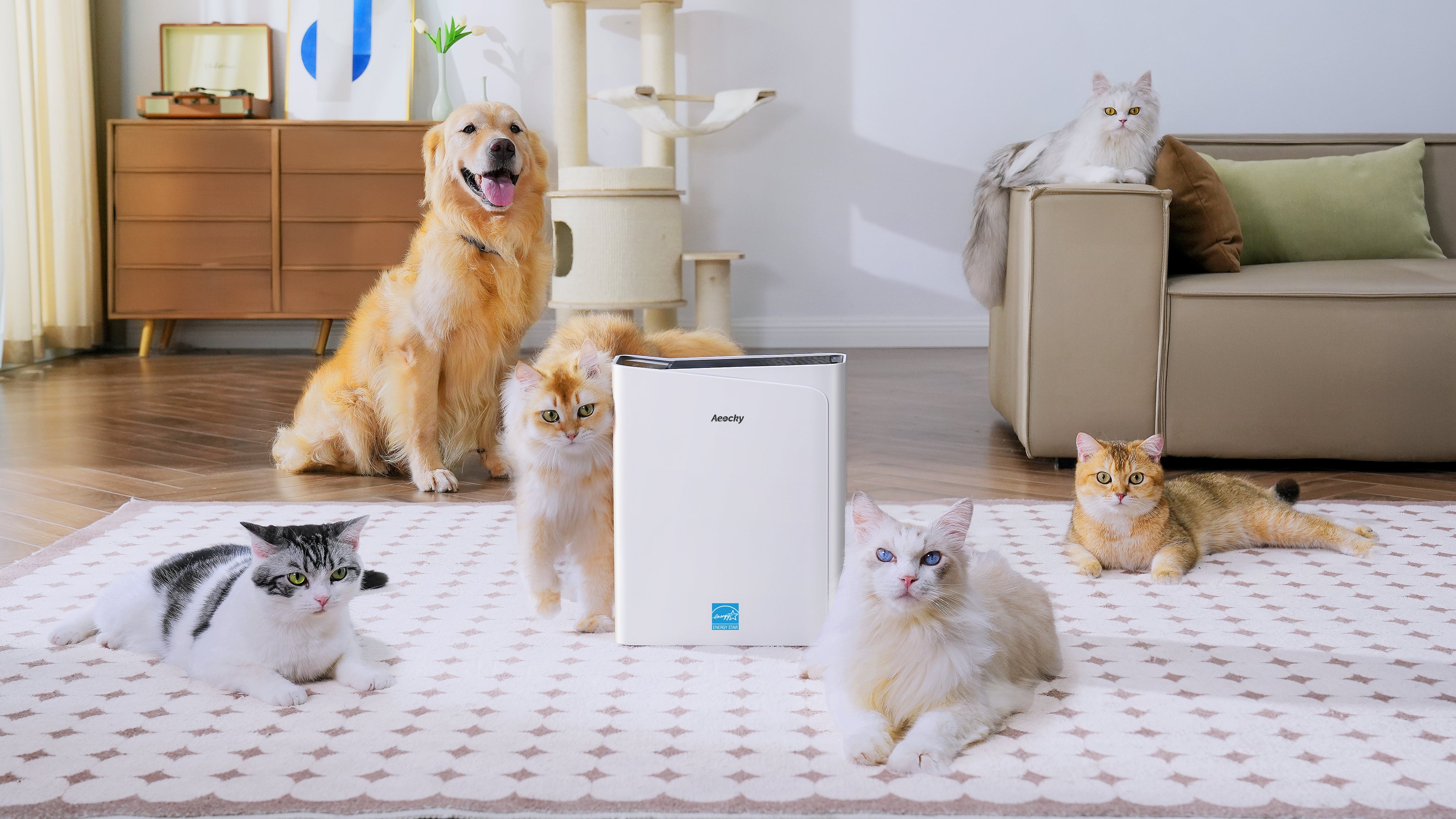
The Rhea-002 was engineered for exactly this. With 80 pints per day of moisture removal capacity and coverage for spaces up to 4,500 square feet, it is built for real-world conditions American basements face.
- 80 pints/day at 95°F, 95% RH — handles a humid Midwest summer, not just a mild spring afternoon
- 44dB quiet operation — runs like white noise, not a factory floor
- Advanced auto-defrost — works reliably in basements as cool as 42°F without cycling off
- Smart humidity control — detects moisture changes in milliseconds and adjusts automatically
- Pure copper components — 7mm pure copper tubing throughout for long-term reliability
Where the Rhea-002 Lives
Basements, bedrooms on ground floors, garages that share a wall with the house, and storage rooms and closets.
The Quiet Difference
Many units on the market operate at 50–55dB. At their highest setting, the Rhea-002 stays at 44dB, quieter than most competitors lowest setting.
A Real Investment in Your Home
Mold remediation averages $1,500–$4,000. Water damage restoration can run $5,000–$10,000+. A dehumidifier that prevents these outcomes — quietly, efficiently, reliably — is not a luxury. It is math.
The Rhea-002 comes with a 3-year warranty and ETL/RoHS certification.
The Bottom Line
If you have been fighting musty smell with candles and open windows — and it keeps coming back — the issue is beneath the surface. A properly performing dehumidifier does not mask the problem. It solves it.
Explore the Rhea-002 on AEOCKY.


Leave a comment
This site is protected by hCaptcha and the hCaptcha Privacy Policy and Terms of Service apply.