


High humidity can gradually damage your home even when the effects are not immediately visible. Excess moisture in the air can affect walls, wooden furniture, flooring, and electronic devices over time. A dehumidifier helps control indoor moisture by removing excess water vapor and maintaining a more stable environment.
Understanding how humidity affects different materials makes it easier to protect your home. The right humidity control approach can help reduce moisture-related problems and improve indoor comfort.
Can Humidity Damage Your Home?
Yes, high humidity can damage your home in several ways. When indoor moisture levels remain too high, water vapor can collect on surfaces and create conditions that affect building materials and personal belongings.
Common signs of excessive humidity include:
-
Condensation on windows.
-
Musty smells.
-
Damp walls.
-
Peeling paint.
-
Swollen wooden furniture.
-
Increased mold risk.
Over time, moisture can become a hidden problem. Walls, floors, and household items may slowly absorb excess moisture, leading to damage that becomes more expensive to repair.
How Humidity Damages Walls and Furniture
Moisture Damage to Walls and Paint
Walls are one of the first areas affected by high indoor humidity.
When moisture levels remain elevated, walls may experience:
-
Paint bubbling or peeling.
-
Wallpaper separation.
-
Mold and mildew growth.
-
Water stains.
For homeowners wondering how humidity damages walls and furniture, the main issue is that moisture changes the condition of materials over time. Porous surfaces can absorb water from humid air, especially in poorly ventilated areas.
Using a dehumidifier for damp walls can help reduce the moisture level in the surrounding air. While a dehumidifier does not repair existing structural damage, it can help create a drier environment that supports moisture control.
For smaller areas such as bedrooms, offices, or RV spaces, the AEOKY Arion Small Portable Dehumidifier can be considered for localized humidity management.
How Humidity Affects Wooden Furniture and Floors
Wood naturally reacts to changes in moisture.
When humidity is too high, wooden materials may:
-
Expand.
-
Warp.
-
Develop cracks over time.
-
Lose their original appearance.
Wooden floors, cabinets, and furniture are especially sensitive because they absorb and release moisture depending on indoor conditions.
Maintaining balanced humidity helps reduce unnecessary stress on wood materials.
Can Humidity Damage Electronics?
Yes, excessive humidity can affect electronic devices.
Electronics contain metal components and electrical connections that may be sensitive to moisture exposure. High humidity can contribute to:
-
Corrosion.
-
Reduced performance.
-
Shortened equipment lifespan.
Items commonly affected include:
-
Computers.
-
Cameras.
-
Gaming equipment.
-
Home entertainment systems.
For users storing valuable electronics, maintaining a controlled environment is important. The best humidity level for electronics storage is generally around 40%–60%, although specific devices may have different recommendations.
A stable indoor environment with controlled moisture can help reduce unnecessary exposure to humidity.
How a Dehumidifier Protects Your Home
A dehumidifier works by pulling humid air into the unit, removing moisture, and releasing drier air back into the room.
This process helps:
-
Reduce excess indoor moisture.
-
Maintain more consistent humidity levels.
-
Support mold prevention efforts.
-
Protect moisture-sensitive materials.
For larger homes requiring broader coverage, a whole-house solution such as the AEOKY Rhea Series Energy Efficient Whole House Dehumidifier can provide centralized humidity management.
How to Reduce Humidity in Your House
Many homeowners ask how to reduce humidity in your house because daily activities can introduce moisture.
Common sources include:
-
Cooking.
-
Showering.
-
Drying clothes indoors.
-
Poor ventilation.
Practical steps include:
Improve Air Circulation
Use ventilation fans and keep air moving between rooms.
Control Moisture at the Source
Repair leaks and avoid allowing standing water to remain indoors.
Use the Right Dehumidifier
A properly sized unit can help maintain suitable humidity levels.
For homeowners looking for energy-conscious operation, the AEOKY Leo Lite Series Energy Star Dehumidifier is designed for efficient home moisture management.
Choosing the Right Dehumidifier for Home Protection
Different homes require different solutions.
Portable Dehumidifiers
Portable models work well for:
-
Bedrooms.
-
Small rooms.
-
Personal spaces.
Whole House Dehumidifiers
Larger homes may benefit from systems designed for broader coverage.
Basement and High-Moisture Areas
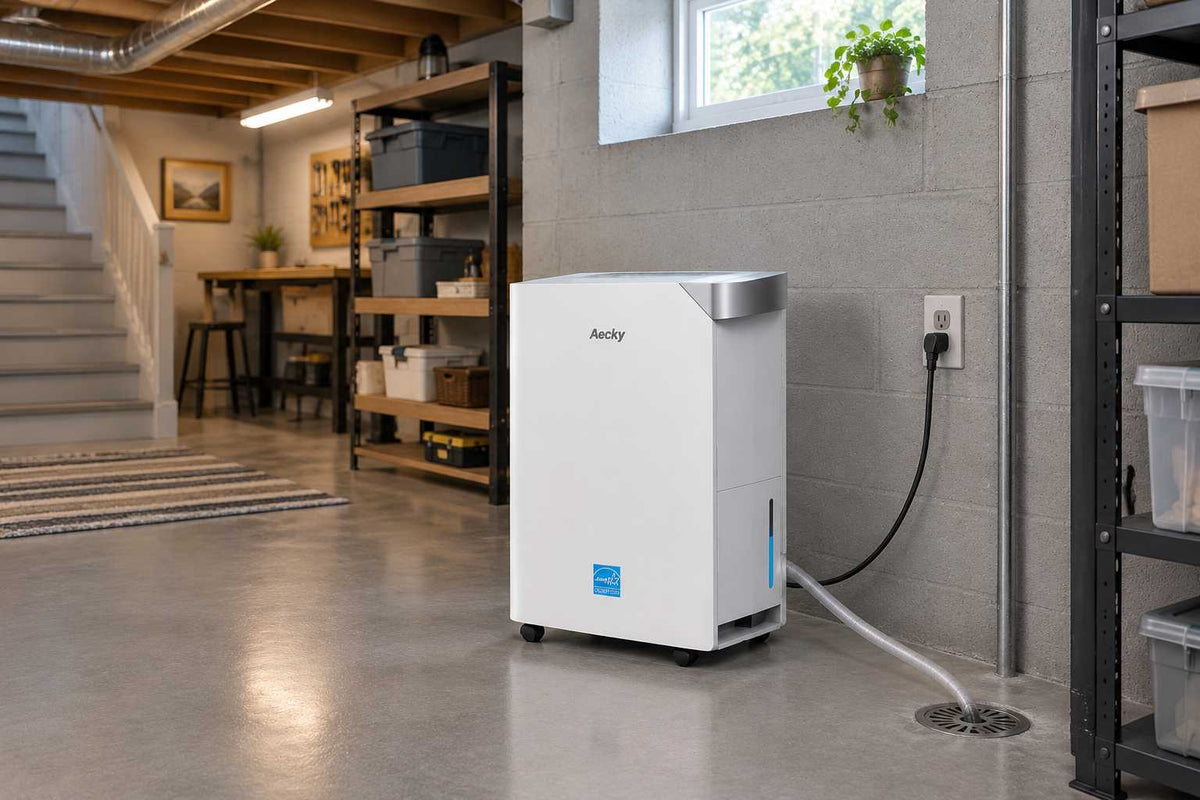
Basements often require stronger moisture removal and convenient drainage options.
The AEOKY Leo Series Energy Efficient Dehumidifier with Pump for Basement is designed for spaces where continuous drainage and moisture control are important.
Energy-efficient models can also help reduce operating costs when a dehumidifier needs to run regularly. AEOKY’s Energy Star Series Dehumidifiers provide additional options for homeowners comparing efficiency-focused models.
Final Thoughts
Humidity can slowly affect many parts of your home, from walls and wooden furniture to sensitive electronics. Managing indoor moisture is an important step in protecting your belongings and maintaining a comfortable living environment.
A dehumidifier helps control excess moisture by keeping humidity levels more stable. The right choice depends on your home size, moisture conditions, and the areas you want to protect. By understanding how humidity affects different materials, homeowners can make better decisions about long-term moisture control.


Leave a comment
This site is protected by hCaptcha and the hCaptcha Privacy Policy and Terms of Service apply.