

basement dehumidifier

Ultimate Guide to Dehumidifier: How It Works and How to Choose the Right One

Ultimate Guide to Dehumidifier: How It Works and How to Choose the Right One
A Dehumidifier helps remove excess moisture from indoor air and maintain a more comfortable humidity level. It is commonly used in homes with damp basements, humid bedrooms, condensation issues, or mold concerns. However, choosing the right dehumidifier requires more than simply picking a model with a high capacity. You need to understand what it does, how it works, what size fits your space, and how to maintain it properly. This guide explains everything you need to know before buying or using a dehumidifier.

What Is a Dehumidifier?

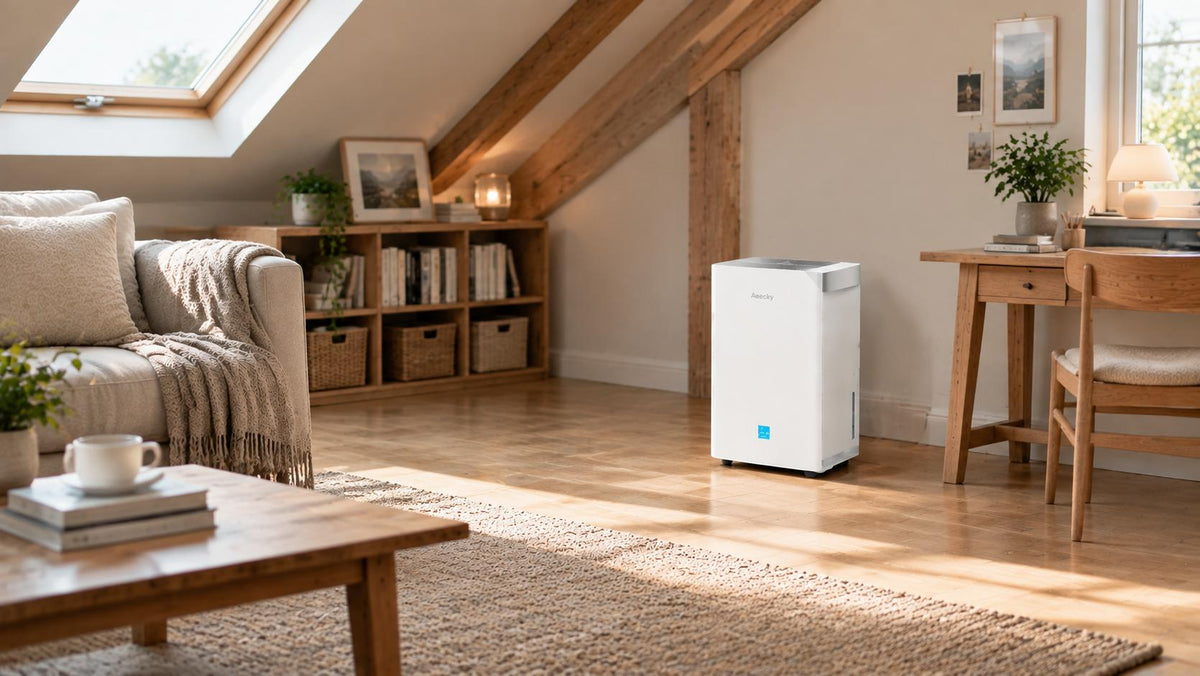
A dehumidifier is an appliance designed to reduce excess moisture in the air. It works by collecting water vapor from humid air and converting it into liquid water, which is stored in a tank or removed through a drainage system.
Unlike an air conditioner, which mainly cools indoor air, a dehumidifier focuses on humidity control. It helps create a more balanced indoor environment by reducing dampness and preventing moisture-related problems.
Understanding what a dehumidifier does and how it helps control moisture can help homeowners decide whether this appliance is suitable for their living space.

How a Dehumidifier Helps Control Indoor Humidity

Humidity levels can change depending on weather conditions, ventilation, and daily activities. Cooking, showering, drying clothes indoors, and poor airflow can all increase moisture levels.
A dehumidifier helps by:
  • Removing excess water vapor from the air
  • Reducing damp and uncomfortable conditions
  • Helping maintain stable indoor humidity
  • Protecting furniture and personal belongings
For areas that often experience moisture problems, such as basements, a properly sized dehumidifier for basement use can provide more effective moisture control.

Signs You May Need a Dehumidifier

Many homeowners are unsure whether they actually need a dehumidifier. Common signs include:
  • A musty smell in certain rooms
  • Condensation on windows
  • Damp walls or floors
  • Clothes staying humid after drying
  • Mold or mildew appearing repeatedly
  • Rooms feeling uncomfortable despite normal temperatures
A dehumidifier can help manage excess moisture, but it should work together with proper ventilation and solutions for leaks or water damage.

What Does a Dehumidifier Do?

The main purpose of a dehumidifier is to remove moisture from indoor air. When humidity levels become too high, excess moisture can affect comfort and create conditions where mold and mildew may grow.
A dehumidifier collects moisture and turns it into water through a condensation process. The collected water can either be emptied manually or removed through continuous drainage.
The main benefits include:
  • Better humidity balance
  • Reduced dampness
  • Improved indoor comfort
  • Protection for household items
Understanding how a dehumidifier helps prevent moisture-related problems can help users make better decisions about humidity control.

Can a Dehumidifier Help With Mold Problems?

A dehumidifier does not kill existing mold, but it can reduce the moisture levels that support mold growth. Controlling humidity is an important part of preventing future mold problems.
For homeowners dealing with mold concerns, learning about using a dehumidifier for mold prevention and moisture control can provide a clearer understanding of what these devices can and cannot do.

How Does a Dehumidifier Work?

Understanding how does a dehumidifier work makes it easier to choose a suitable model.
Most household dehumidifiers use a refrigeration system. The unit pulls humid air inside, cools the air to remove moisture, collects the water, and releases drier air back into the room.
The process usually includes four steps:
  • A fan pulls humid air into the unit.
  • The air passes over cold coils.
  • Water vapor condenses into liquid water.
  • Drier air returns to the room.
The entire process happens continuously while the unit is running.
For a more detailed explanation of the moisture removal process, see how a dehumidifier removes moisture from the air.

Common Types of Dehumidifiers

Refrigerant Dehumidifiers

Refrigerant models are the most common choice for residential use. They work especially well in warmer environments and are often used in basements, living rooms, and large areas.

Desiccant Dehumidifiers

Desiccant models use moisture-absorbing materials instead of cooling coils. They are often used in smaller spaces or cooler environments.
The right type depends on your room conditions, climate, and humidity level.

How to Choose a Dehumidifier for Your Home

Choosing the right dehumidifier depends on several factors, including room size, moisture level, and expected usage.

Consider Room Size and Humidity Level

One of the most common questions buyers ask is:
“What size dehumidifier do I need for my room?”
The answer depends on:
  • Room square footage
  • Current humidity conditions
  • Moisture severity
  • How frequently the unit will operate
A small bedroom and a large basement may require very different capacities.
Before purchasing, review choosing the right dehumidifier size for your room to avoid selecting a model that is too small or unnecessarily large.

Choose the Right Capacity

For larger spaces, a higher-capacity unit may provide better moisture removal.
Examples include:

Features Worth Considering

When comparing different models, pay attention to:
  • Adjustable humidity settings
  • Auto shut-off
  • Continuous drainage
  • Energy efficiency
  • Noise levels
  • Filter accessibility
These features affect convenience, operating costs, and long-term maintenance.

Choosing a Dehumidifier for Different Rooms

Dehumidifier for Basement

Basements are one of the most common areas where homeowners use dehumidifiers. Because they are often below ground and have limited airflow, they can easily collect excess moisture.
A suitable basement model should consider:
  • Room size
  • Moisture level
  • Drainage options
  • Long operating periods
For larger basement spaces, a high-capacity model designed for wider coverage may be more suitable.

Dehumidifier for Bedroom

Bedrooms usually require a different approach. Instead of maximum capacity, many users focus on quiet operation and consistent humidity control.
When selecting a dehumidifier for bedroom use, consider:
  • Low operating noise
  • Appropriate room coverage
  • Easy controls
  • Stable humidity settings
A comfortable sleeping environment depends on both temperature and humidity.

How to Use a Dehumidifier Effectively

Using a dehumidifier correctly helps improve performance and avoid unnecessary energy use.
Some practical tips include:
  • Place the unit where airflow is not blocked
  • Keep doors and windows closed while operating
  • Set an appropriate humidity level
  • Empty the water tank regularly
  • Clean filters when needed
Following proper dehumidifier settings, placement, and maintenance practices can help your unit work more efficiently.

Do Dehumidifiers Use a Lot of Electricity?

Energy consumption is one of the most common concerns among buyers.
The answer depends on:
  • Unit capacity
  • Running time
  • Room humidity
  • Temperature
  • Energy efficiency rating
A larger model does not always mean higher electricity costs. A properly sized unit may remove moisture faster and reduce unnecessary operation.
Users interested in lowering energy use can consider the AEocky ENERGY STAR Series, which focuses on efficient operation.
Understanding dehumidifier energy consumption and running costs can help homeowners estimate long-term operating expenses.

How to Clean and Maintain a Dehumidifier

Regular maintenance helps maintain airflow and performance.
Basic cleaning steps include:
  • Empty and clean the water tank.
  • Wash or replace the air filter.
  • Check drainage connections.
  • Remove dust from air intake areas.
  • Clean the exterior surface.
A regular dehumidifier cleaning and maintenance routine can help prevent performance issues.

Common Mistakes When Using a Dehumidifier

Choosing the Wrong Size

A small unit may not handle moisture effectively in a large area, while an oversized model may not be necessary for a small room.

Ignoring Maintenance

Dirty filters and water tanks can reduce efficiency and affect performance.

Blocking Airflow

A dehumidifier needs enough space around it to circulate air properly.

Frequently Asked Questions About Dehumidifiers

How Long Should I Run a Dehumidifier Each Day?

The operating time depends on room conditions, humidity levels, and climate. Some spaces may require several hours daily, while others may need longer operation.

Can a Dehumidifier Remove Mold?

A dehumidifier cannot remove existing mold, but controlling humidity can help create conditions that are less favorable for mold growth.

How Long Do Dehumidifiers Last?

A unit’s lifespan depends on usage frequency, maintenance, and build quality. Proper care can help extend its service life.
You can learn more about dehumidifier lifespan and maintenance factors before making a purchase decision.

Final Thoughts

A Dehumidifier is a practical solution for managing excess indoor moisture and improving home comfort. Understanding how it works, choosing the correct size, and maintaining it properly are essential for getting reliable results. Whether you need moisture control for a basement, bedroom, or larger living space, selecting a model that matches your environment will help you create a healthier and more comfortable home.
 

Reading next

10 Signs Your Home Is Too Humid and How a Dehumidifier Can Help
Can a Dehumidifier Help with Allergies and Dust Mites?

Leave a comment

This site is protected by hCaptcha and the hCaptcha Privacy Policy and Terms of Service apply.

Ultimate Guide to Dehumidifier: How It Works and How to Choose the Right One

A Dehumidifier helps remove excess moisture from indoor air and maintain a more comfortable humidity level. It is commonly used in homes with damp basements, humid bedrooms, condensation issues, or mold concerns. However, choosing the right dehumidifier requires more than simply picking a model with a high capacity. You need to understand what it does, how it works, what size fits your space, and how to maintain it properly. This guide explains everything you need to know before buying or using a dehumidifier.

What Is a Dehumidifier?

A dehumidifier is an appliance designed to reduce excess moisture in the air. It works by collecting water vapor from humid air and converting it into liquid water, which is stored in a tank or removed through a drainage system.
Unlike an air conditioner, which mainly cools indoor air, a dehumidifier focuses on humidity control. It helps create a more balanced indoor environment by reducing dampness and preventing moisture-related problems.
Understanding what a dehumidifier does and how it helps control moisture can help homeowners decide whether this appliance is suitable for their living space.

How a Dehumidifier Helps Control Indoor Humidity

Humidity levels can change depending on weather conditions, ventilation, and daily activities. Cooking, showering, drying clothes indoors, and poor airflow can all increase moisture levels.
A dehumidifier helps by:
  • Removing excess water vapor from the air
  • Reducing damp and uncomfortable conditions
  • Helping maintain stable indoor humidity
  • Protecting furniture and personal belongings
For areas that often experience moisture problems, such as basements, a properly sized dehumidifier for basement use can provide more effective moisture control.

Signs You May Need a Dehumidifier

Many homeowners are unsure whether they actually need a dehumidifier. Common signs include:
  • A musty smell in certain rooms
  • Condensation on windows
  • Damp walls or floors
  • Clothes staying humid after drying
  • Mold or mildew appearing repeatedly
  • Rooms feeling uncomfortable despite normal temperatures
A dehumidifier can help manage excess moisture, but it should work together with proper ventilation and solutions for leaks or water damage.

What Does a Dehumidifier Do?

The main purpose of a dehumidifier is to remove moisture from indoor air. When humidity levels become too high, excess moisture can affect comfort and create conditions where mold and mildew may grow.
A dehumidifier collects moisture and turns it into water through a condensation process. The collected water can either be emptied manually or removed through continuous drainage.
The main benefits include:
  • Better humidity balance
  • Reduced dampness
  • Improved indoor comfort
  • Protection for household items
Understanding how a dehumidifier helps prevent moisture-related problems can help users make better decisions about humidity control.

Can a Dehumidifier Help With Mold Problems?

A dehumidifier does not kill existing mold, but it can reduce the moisture levels that support mold growth. Controlling humidity is an important part of preventing future mold problems.
For homeowners dealing with mold concerns, learning about using a dehumidifier for mold prevention and moisture control can provide a clearer understanding of what these devices can and cannot do.

How Does a Dehumidifier Work?

Understanding how does a dehumidifier work makes it easier to choose a suitable model.
Most household dehumidifiers use a refrigeration system. The unit pulls humid air inside, cools the air to remove moisture, collects the water, and releases drier air back into the room.
The process usually includes four steps:
  • A fan pulls humid air into the unit.
  • The air passes over cold coils.
  • Water vapor condenses into liquid water.
  • Drier air returns to the room.
The entire process happens continuously while the unit is running.
For a more detailed explanation of the moisture removal process, see how a dehumidifier removes moisture from the air.

Common Types of Dehumidifiers

Refrigerant Dehumidifiers

Refrigerant models are the most common choice for residential use. They work especially well in warmer environments and are often used in basements, living rooms, and large areas.

Desiccant Dehumidifiers

Desiccant models use moisture-absorbing materials instead of cooling coils. They are often used in smaller spaces or cooler environments.
The right type depends on your room conditions, climate, and humidity level.

How to Choose a Dehumidifier for Your Home

Choosing the right dehumidifier depends on several factors, including room size, moisture level, and expected usage.

Consider Room Size and Humidity Level

One of the most common questions buyers ask is:
“What size dehumidifier do I need for my room?”
The answer depends on:
  • Room square footage
  • Current humidity conditions
  • Moisture severity
  • How frequently the unit will operate
A small bedroom and a large basement may require very different capacities.
Before purchasing, review choosing the right dehumidifier size for your room to avoid selecting a model that is too small or unnecessarily large.

Choose the Right Capacity

For larger spaces, a higher-capacity unit may provide better moisture removal.
Examples include:

Features Worth Considering

When comparing different models, pay attention to:
  • Adjustable humidity settings
  • Auto shut-off
  • Continuous drainage
  • Energy efficiency
  • Noise levels
  • Filter accessibility
These features affect convenience, operating costs, and long-term maintenance.

Choosing a Dehumidifier for Different Rooms

Dehumidifier for Basement

Basements are one of the most common areas where homeowners use dehumidifiers. Because they are often below ground and have limited airflow, they can easily collect excess moisture.
A suitable basement model should consider:
  • Room size
  • Moisture level
  • Drainage options
  • Long operating periods
For larger basement spaces, a high-capacity model designed for wider coverage may be more suitable.

Dehumidifier for Bedroom

Bedrooms usually require a different approach. Instead of maximum capacity, many users focus on quiet operation and consistent humidity control.
When selecting a dehumidifier for bedroom use, consider:
  • Low operating noise
  • Appropriate room coverage
  • Easy controls
  • Stable humidity settings
A comfortable sleeping environment depends on both temperature and humidity.

How to Use a Dehumidifier Effectively

Using a dehumidifier correctly helps improve performance and avoid unnecessary energy use.
Some practical tips include:
  • Place the unit where airflow is not blocked
  • Keep doors and windows closed while operating
  • Set an appropriate humidity level
  • Empty the water tank regularly
  • Clean filters when needed
Following proper dehumidifier settings, placement, and maintenance practices can help your unit work more efficiently.

Do Dehumidifiers Use a Lot of Electricity?

Energy consumption is one of the most common concerns among buyers.
The answer depends on:
  • Unit capacity
  • Running time
  • Room humidity
  • Temperature
  • Energy efficiency rating
A larger model does not always mean higher electricity costs. A properly sized unit may remove moisture faster and reduce unnecessary operation.
Users interested in lowering energy use can consider the AEocky ENERGY STAR Series, which focuses on efficient operation.
Understanding dehumidifier energy consumption and running costs can help homeowners estimate long-term operating expenses.

How to Clean and Maintain a Dehumidifier

Regular maintenance helps maintain airflow and performance.
Basic cleaning steps include:
  • Empty and clean the water tank.
  • Wash or replace the air filter.
  • Check drainage connections.
  • Remove dust from air intake areas.
  • Clean the exterior surface.
A regular dehumidifier cleaning and maintenance routine can help prevent performance issues.

Common Mistakes When Using a Dehumidifier

Choosing the Wrong Size

A small unit may not handle moisture effectively in a large area, while an oversized model may not be necessary for a small room.

Ignoring Maintenance

Dirty filters and water tanks can reduce efficiency and affect performance.

Blocking Airflow

A dehumidifier needs enough space around it to circulate air properly.

Frequently Asked Questions About Dehumidifiers

How Long Should I Run a Dehumidifier Each Day?

The operating time depends on room conditions, humidity levels, and climate. Some spaces may require several hours daily, while others may need longer operation.

Can a Dehumidifier Remove Mold?

A dehumidifier cannot remove existing mold, but controlling humidity can help create conditions that are less favorable for mold growth.

How Long Do Dehumidifiers Last?

A unit’s lifespan depends on usage frequency, maintenance, and build quality. Proper care can help extend its service life.
You can learn more about dehumidifier lifespan and maintenance factors before making a purchase decision.

Final Thoughts

A Dehumidifier is a practical solution for managing excess indoor moisture and improving home comfort. Understanding how it works, choosing the correct size, and maintaining it properly are essential for getting reliable results. Whether you need moisture control for a basement, bedroom, or larger living space, selecting a model that matches your environment will help you create a healthier and more comfortable home.


Popular Posts
Best Dehumidifier for a Home Office: Quiet, Compact & Efficient Options
Best Dehumidifier for Crawl Spaces: Size, Drainage & Humidity Control
Best Dehumidifier for RV Storage: How to Protect Your RV When It's Not in Use
Best Dehumidifier for Cars: How to Prevent Moisture, Foggy Windows & Musty Odors
Is It Okay to Sleep With a Dehumidifier On? Bedroom Safety Tips
Should I run my dehumidifier during the day or at night
How to Tell If Your House Needs a Dehumidifier: Signs of High Humidity
Should I Use a Dehumidifier in the Summer?
Dehumidifiers for Pet Owners: Reducing Odors, Dampness & Pet Dander
Can Humidity Damage Your Home? How a Dehumidifier Protects Walls, Wood & Electronics
Best Dehumidifier Setup for Basements: Size, Placement & Drainage Guide
Can a Dehumidifier Help with Allergies and Dust Mites?
Ultimate Guide to Dehumidifier: How It Works and How to Choose the Right One
10 Signs Your Home Is Too Humid and How a Dehumidifier Can Help
What Is the Ideal Indoor Humidity Level? A Complete Guide for Your Home
How Long Do Dehumidifiers Last?
Do Dehumidifiers Use a Lot of Electricity?
Can a Dehumidifier Kill Mold? What You Need to Know
Dehumidifier: What It Does, How It Works, and When You Need One
Does a Dehumidifier Cool a Room? Dehumidifier vs. Air Conditioner
Subscribe Us
Subscribe to our newsletter and receive a selection of cool articles every weeks