

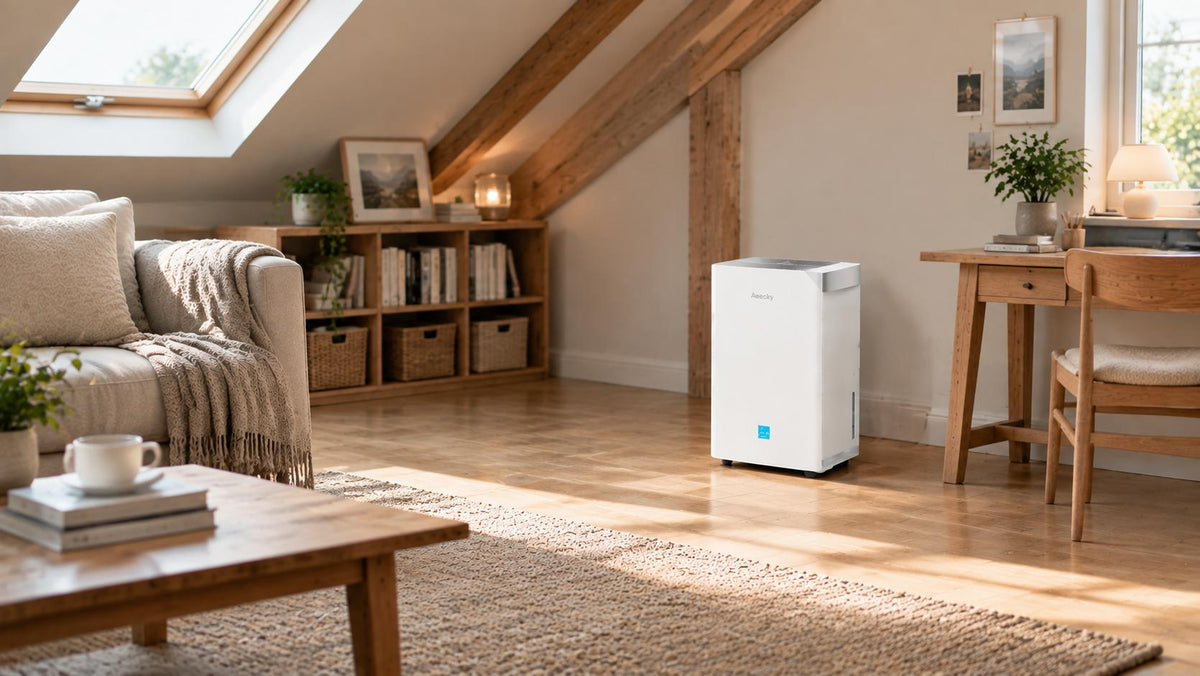
A Dehumidifier can help control excess moisture, but the first step is knowing whether your home actually has a humidity problem. High indoor humidity can make rooms feel uncomfortable, create a musty smell, damage furniture and building materials, and encourage mold growth. Many homeowners do not notice the issue at first because humidity problems often begin with small changes, such as condensation on windows, damp air, or rooms that never feel fresh.
This guide explains the most common signs your home is too humid, the effects of high humidity indoors, and practical ways to reduce moisture and create a more comfortable living environment.
What Is Considered High Humidity in a Home?
Indoor humidity refers to the amount of moisture in the air inside your home. For most homes, the ideal indoor humidity level is between 30% and 50%. When humidity stays above this range for extended periods, it can lead to comfort issues and moisture-related problems.
Daily activities such as cooking, showering, washing clothes, and drying laundry indoors can increase humidity levels. Weather conditions also play an important role, especially during hot and rainy seasons.
The difficult part is that excessive humidity is not always obvious immediately. A home may simply feel warmer, heavier, or less comfortable before visible signs appear.
10 Signs Your Home Has Too Much Humidity
-
Condensation on Windows and Surfaces
One of the most common signs your house has too much humidity is condensation. Water droplets may appear on windows, mirrors, pipes, or other cool surfaces.
This happens when warm, moisture-filled air touches a colder surface. Occasional condensation is normal, but frequent moisture buildup usually means your indoor humidity level is too high.
Reducing moisture with better ventilation or a Dehumidifier can help prevent repeated condensation problems.
-
A Musty Smell in Certain Areas
A musty smell caused by high humidity is another common warning sign. This odor often appears in basements, closets, storage rooms, and areas with limited airflow.
High moisture levels can create conditions where mold and mildew grow more easily. Cleaning products may temporarily remove the smell, but controlling humidity is the better long-term approach.
A Dehumidifier can help remove excess moisture from the air and improve indoor freshness.
-
Mold and Mildew Growth
Visible mold is one of the clearest signs of high humidity in your house. It commonly appears in bathrooms, basements, around windows, and behind furniture.
Removing existing mold is important, but reducing humidity is necessary to prevent the problem from returning.
Keeping moisture levels balanced with proper ventilation and humidity control can help protect your home.
-
The Air Feels Sticky or Heavy
If your home feels uncomfortable even when the temperature is normal, high humidity may be the reason.
Humid air slows down sweat evaporation, which makes rooms feel warmer and less comfortable. Bedrooms, basements, and poorly ventilated spaces are often affected the most.
A humidity monitor can help you understand whether moisture levels are outside the recommended range.
-
Paint and Walls Show Moisture Damage
Excess moisture can slowly affect your home's interior surfaces.
Common signs include:
-
Peeling paint
-
Bubbling wallpaper
-
Water stains
-
Damp areas on walls
-
Discoloration
These issues often appear in bathrooms, kitchens, basements, and rooms with poor airflow.
Maintaining proper humidity levels can help reduce the effects of high humidity indoors and protect household materials.
-
Wooden Furniture Starts Warping
Wood reacts naturally to moisture in the air. When indoor humidity remains high, wooden floors, cabinets, doors, and furniture may expand, warp, or crack.
If wooden doors become harder to close or furniture changes shape, excess humidity may be contributing to the problem.
Controlling moisture helps protect wooden materials and maintain a more stable indoor environment.
-
Allergy Symptoms Become More Noticeable
High humidity can affect indoor air quality. Damp environments may encourage mold growth and create conditions where dust mites can thrive.
Some people notice more discomfort in humid rooms, especially bedrooms and areas with limited ventilation.
These humid house health problems are one reason homeowners pay attention to indoor moisture levels.
-
Clothes and Fabrics Stay Damp
If towels, bedding, clothes, or curtains take longer to dry, your home may have excessive moisture.
Closets and storage spaces are especially vulnerable because air circulation is often limited. Damp fabrics can also develop unpleasant odors.
Improving airflow and controlling humidity can help keep fabrics dry.
-
The Basement Feels Damp
Basements are among the most common areas affected by humidity problems. Their cooler temperatures and limited airflow can make moisture buildup worse.
Common signs include:
-
Damp floors
-
Musty odors
-
Mold spots
-
Condensation
-
A cold, wet feeling
For homeowners looking for how to reduce humidity in a house, basement moisture control is often an important first step.
A larger-capacity option such as Aeocky Leo 80 Pint Dehumidifier can help manage moisture in larger areas where humidity remains high.
-
Bathrooms Stay Wet After Use
Bathrooms naturally create moisture through showers and hot water. However, if steam remains for a long time or surfaces stay wet, humidity may be too high.
Simple solutions include:
-
Running exhaust fans
-
Improving airflow
-
Drying wet surfaces
-
Using a Dehumidifier when necessary
For homeowners searching how to reduce humidity in bathroom spaces, improving ventilation is often the first step.
Effects of High Humidity Indoors
High humidity affects more than comfort. Over time, excess moisture can influence your home's condition.
Mold and Mildew Problems
High humidity provides the moisture needed for mold and mildew growth. These problems often appear in bathrooms, basements, and areas with poor ventilation.
Reduced Comfort
Humid air can make rooms feel warmer and heavier. Even with air conditioning, high moisture levels may prevent your home from feeling comfortable.
Damage to Household Items
Long-term exposure to moisture can affect:
-
Wooden furniture
-
Flooring
-
Paint
-
Wallpaper
-
Metal fixtures
Maintaining balanced humidity helps protect these materials.
How to Reduce Humidity in a House
Improve Ventilation
Better airflow helps remove moisture from indoor spaces.
Helpful steps include:
-
Using bathroom exhaust fans
-
Ventilating kitchens during cooking
-
Opening windows when outdoor humidity is suitable
-
Keeping air moving between rooms
Reduce Daily Moisture Sources
Small changes can lower indoor humidity:
-
Fix leaks quickly
-
Avoid drying large amounts of laundry indoors
-
Cover cooking pots
-
Use ventilation during showers
Use a Dehumidifier
A Dehumidifier is one of the most direct ways to manage indoor moisture.
The unit works by pulling humid air inside, removing water vapor, and releasing drier air back into the room.
For larger homes or areas with persistent humidity issues, Aeocky Rhea 4500 sq ft Dehumidifier provides a higher-capacity option for moisture control.
For homeowners who want energy-efficient humidity management, Aeocky Energy Star Dehumidifier Series offers different models designed for efficient operation.
For medium-sized rooms, Aeocky Arion 2800 sq ft Dehumidifier can be considered based on room size and moisture conditions.
How Does a Dehumidifier Help With Humidity?
A Dehumidifier helps control humidity by removing excess water vapor from indoor air.
The process is simple:
Humid air enters the unit.
Moisture is collected inside the machine.
Drier air is released back into the room.
This helps maintain more stable humidity levels in areas such as:
-
Bedrooms
-
Basements
-
Bathrooms
-
Living rooms
-
Storage areas
Choosing the correct size is important. A unit that is too small may struggle to control moisture, while a properly sized model can work more efficiently.
Choosing the Right Dehumidifier for Your Home
The right Dehumidifier depends on your space and moisture level.
Important factors include:
-
Room size
-
Moisture conditions
-
Energy efficiency
-
Noise level
-
Drainage options
-
Automatic humidity control
A properly selected Dehumidifier can help maintain a comfortable indoor environment while reducing moisture-related problems.
Final Thoughts
Recognizing the signs your home is too humid can help you solve moisture problems before they become larger issues. Condensation, musty odors, mold growth, damp fabrics, and uncomfortable air are common indicators of excessive humidity. Improving ventilation, reducing moisture sources, and using a Dehumidifier when needed can help maintain better indoor conditions. By monitoring humidity levels regularly, homeowners can protect their living space and create a more comfortable home environment.


Leave a comment
This site is protected by hCaptcha and the hCaptcha Privacy Policy and Terms of Service apply.