

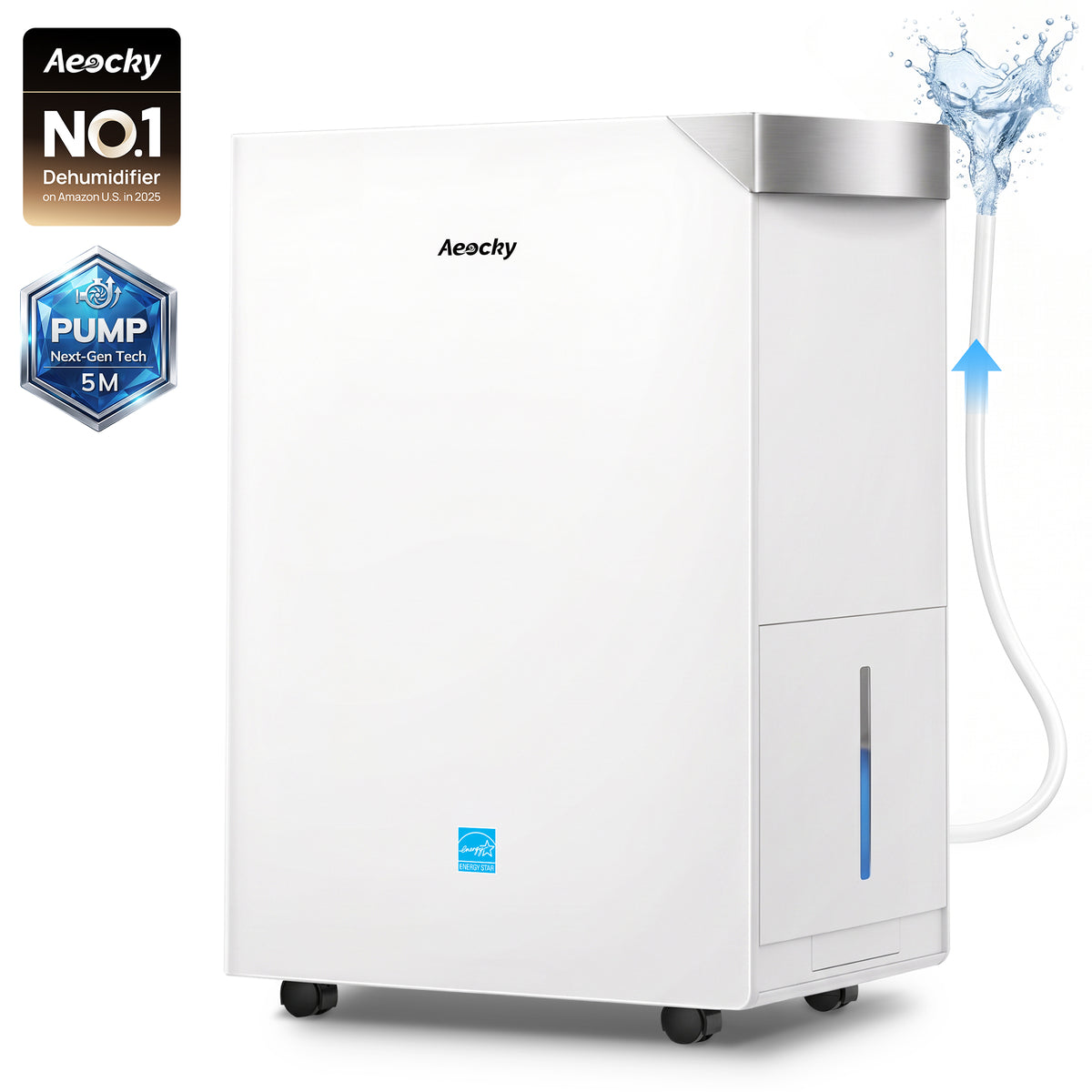

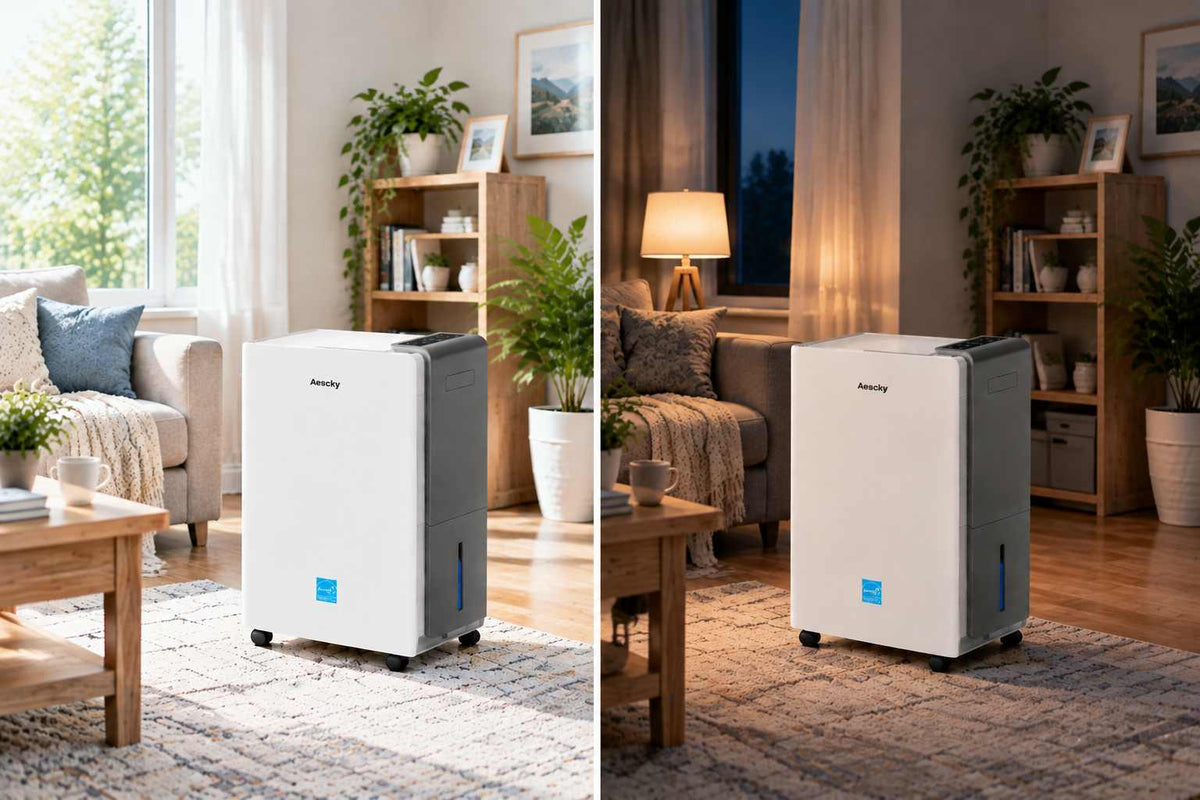
A Dehumidifier can generally be used while you sleep, as long as it is operated correctly and the humidity level is kept within a comfortable range. Many people run a dehumidifier overnight because bedrooms often become more humid during sleep due to breathing, limited airflow, and temperature changes. The key factors are choosing the right unit, setting the correct humidity level, and placing it properly. Understanding is it safe to run a dehumidifier overnight can help homeowners use these devices more effectively without creating unnecessary dryness or energy waste.
Can You Sleep With a Dehumidifier Running Overnight?
Yes, in most cases, it is safe to sleep with a dehumidifier running overnight. Modern units are designed for extended operation and often include features such as automatic shut-off, humidity sensors, and timer settings.
The main purpose of a bedroom dehumidifier is to remove excess moisture from the air. When humidity levels are too high, rooms may feel warmer, stuffier, or uncomfortable. Maintaining balanced humidity can create a more pleasant indoor environment, especially during humid seasons.
However, using a dehumidifier overnight does not mean it should run at maximum power continuously. The goal is moisture control, not removing all humidity from the room.
A good starting point is keeping bedroom humidity around 30% to 50%. If the air becomes too dry, some people may notice discomfort such as dry skin or irritation. Using an adjustable humidity setting can help prevent this problem.
Is Sleeping With a Dehumidifier Bad for You?
A common concern is whether sleeping with a dehumidifier is harmful. In general, a properly maintained unit used at appropriate settings is not considered harmful.
The main issue is excessive dryness. A dehumidifier removes water vapor from the air, but if it lowers humidity too much, the room may feel uncomfortable.
To avoid this:
-
Set a reasonable humidity target instead of running continuously at the lowest setting.
-
Clean the filter regularly.
-
Choose a model that matches your room size.
-
Avoid placing the unit too close to your sleeping area.
For homeowners asking is sleeping with a dehumidifier bad for you, the answer depends mainly on usage habits. Correct settings and regular maintenance are more important than simply whether the unit operates overnight.
Can a Dehumidifier Run All Night in a Bedroom?
Many homeowners wonder if a dehumidifier can run all night in a bedroom. The answer is yes, especially when the unit has automatic controls.
Running a dehumidifier overnight can be useful when:
-
Bedroom humidity remains high during the night.
-
Condensation appears on windows.
-
The room feels damp or musty.
-
The home is located in a humid climate.
For smaller bedrooms, a compact model such as the AEOKY Arion Small Portable Dehumidifier can be suitable for targeted moisture control. Portable units are often easier to place in bedrooms, guest rooms, apartments, or smaller living spaces.
For larger homes, a higher-capacity option may be more appropriate. The AEOKY Rhea Series Energy Efficient Whole House Dehumidifier is designed for homeowners who need broader humidity management across larger areas.
How Long Should a Bedroom Dehumidifier Run at Night?
There is no fixed runtime that works for every bedroom. The operating time depends on several factors:
Room Size
A small bedroom may reach the desired humidity level faster than a large room.
Current Humidity Level
A room with significant moisture may require longer operation compared with a space that only needs minor adjustment.
Dehumidifier Capacity
A correctly sized unit removes moisture more efficiently. An undersized model may need to run longer to achieve the same result.
Many homeowners use automatic mode rather than setting a specific number of hours. The unit can turn on and off based on humidity readings, reducing unnecessary energy use.
What Is the Best Bedroom Humidity Level for Sleeping?
The recommended best bedroom humidity level for sleep is usually between 30% and 50%.
High humidity can make a bedroom feel warmer because moisture affects how the body regulates temperature. It can also contribute to condensation, damp surfaces, and unpleasant odors.
Low humidity can also create discomfort. If the air becomes too dry, the room may feel less comfortable.
Maintaining balanced humidity is one of the most important bedroom humidity control tips. A humidity sensor or built-in control feature can help keep conditions stable throughout the night.
Should a Dehumidifier Be Next to Your Bed?
A common question is: should a dehumidifier be next to your bed?
Usually, it is better to avoid placing the unit directly beside your bed.
Instead, consider these placement tips:
Leave Space Around the Unit
A dehumidifier needs airflow to work properly. Keep several inches of clearance around air intake and exhaust areas.
Avoid Blocking Airflow
Do not place the unit behind furniture, curtains, or against a wall.
Keep It Accessible
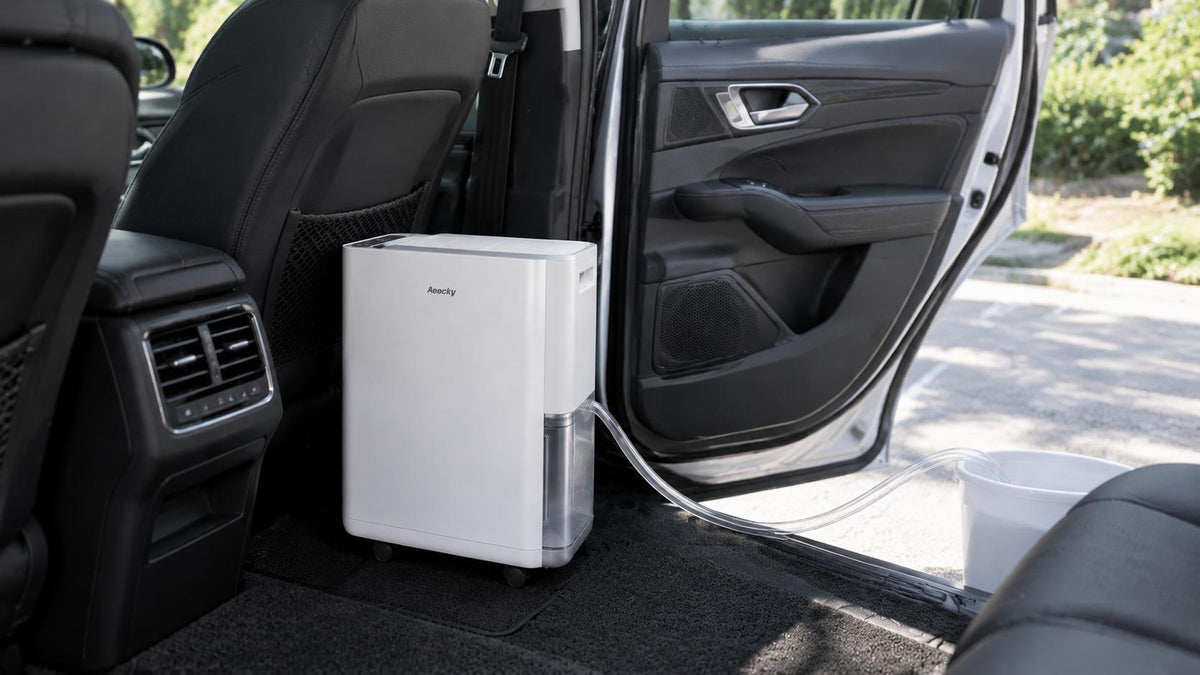
Choose a location where you can easily check the water tank, clean the filter, or connect a drainage hose.
A bedside table or very close floor placement is generally not necessary. A nearby open area often provides better circulation.
Bedroom Dehumidifier Safety Tips
Following basic dehumidifier safety tips for bedroom use can improve both performance and convenience.
-
Clean the Filter Regularly
Dust and particles can reduce airflow and make the unit work harder.
-
Use Automatic Shut-Off Features
A full water tank can stop operation automatically on many models.
-
Consider Continuous Drainage
For homeowners who prefer longer operation, drainage options can reduce the need for frequent emptying.
-
Select a Quiet Model
Noise level matters when using a dehumidifier during sleep. A quieter unit can be more suitable for bedrooms where consistent operation is needed.
Energy efficiency is also important for overnight use. Models such as the AEOKY Leo Lite Series Energy Star Dehumidifier are designed for homeowners looking for efficient moisture control.
Choosing the Right Dehumidifier for Bedroom Use
The right dehumidifier depends on your room size and moisture conditions.
Small Bedrooms and Personal Spaces
Portable units are often a practical choice. They are easier to move and can focus on specific areas where humidity is a problem.
Larger Bedrooms or Multiple Rooms
A larger-capacity model may be more suitable. Whole-home systems can provide wider moisture management when humidity affects several areas.
For homes with basements or persistent moisture concerns, options such as the AEOKY Leo Series Energy Efficient Dehumidifier with Pump may provide additional installation flexibility.
Homeowners looking for energy-focused options can also explore the AEOKY Energy Star Series collection when comparing different models.
Frequently Asked Questions
Can I leave my dehumidifier on while sleeping?
Yes. Many modern dehumidifiers are designed for overnight operation when used with proper settings and maintenance.
Can a dehumidifier make the bedroom too dry?
Yes. If humidity is reduced too much, the room may feel uncomfortable. Using humidity controls can help maintain balance.
Where should I place a dehumidifier at night?
Place it in an open area with good airflow, away from walls, curtains, and directly beside your bed.
Conclusion
Sleeping in a room with a Dehumidifier is generally acceptable when the unit is used correctly. Overnight operation can help manage excess moisture, but proper humidity settings, placement, and maintenance are essential. Keeping bedroom humidity within a comfortable range, choosing a suitable model, and using features like automatic control can make nighttime operation more practical. Whether you need a small portable unit or a larger home solution, the right setup allows a dehumidifier to support better indoor comfort without unnecessary energy use.


Leave a comment
This site is protected by hCaptcha and the hCaptcha Privacy Policy and Terms of Service apply.