


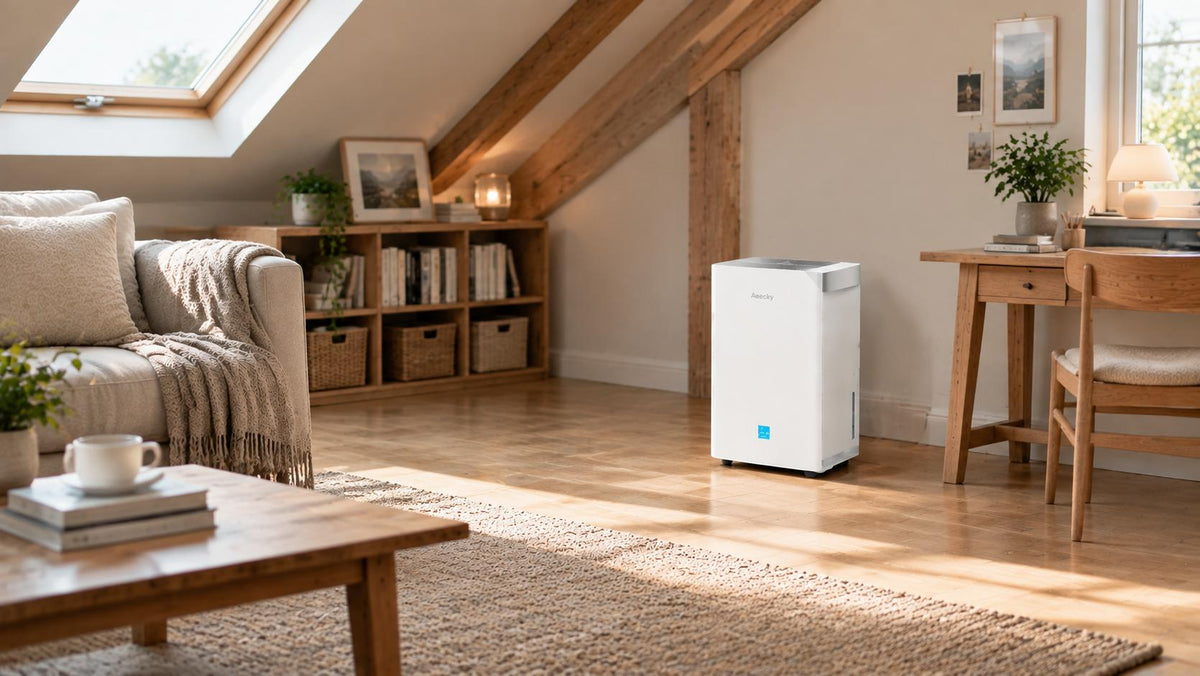
The ideal indoor humidity level plays an important role in home comfort, air quality, and moisture control. For most homes, maintaining indoor humidity between 30% and 50% can help create a balanced environment while reducing problems caused by excessive moisture or overly dry air. A Dehumidifier can help manage high humidity levels, especially in areas such as basements, bedrooms, and bathrooms. Understanding the right humidity range allows homeowners to improve indoor conditions, prevent moisture-related problems, and choose suitable humidity control solutions.
What Is the Ideal Indoor Humidity Level?
The ideal indoor humidity level refers to the amount of moisture in the air inside your home. It is usually measured as relative humidity (RH), which represents the percentage of water vapor in the air compared with the maximum amount the air can hold at a specific temperature.
For most residential spaces, the recommended indoor humidity level is between 30% and 50% relative humidity. This range provides a balance between comfort and moisture control.
When humidity stays within this range:
-
The air feels more comfortable.
-
Condensation on windows and surfaces is less likely.
-
The risk of mold and mildew growth is reduced.
-
Indoor air quality is easier to maintain.
However, the ideal humidity level can vary depending on the season, outdoor climate, room size, and ventilation conditions. Homes in humid areas may need more active moisture control, while dry environments may require different humidity management methods.
The Recommended Humidity Range for Most Homes
A humidity level around 40% to 50% is comfortable for many households. During summer, warm outdoor air can increase indoor moisture levels. During winter, heating systems may lower humidity and make the air feel dry.
Instead of focusing on one exact number, homeowners should monitor humidity levels and adjust based on actual conditions.
A hygrometer is a simple tool that helps measure indoor moisture. It allows you to understand whether your home needs better ventilation, humidity adjustment, or a Dehumidifier.
Why Indoor Humidity Level Matters
Humidity affects more than comfort. It can influence indoor air quality, furniture, building materials, and everyday living conditions.
Both excessive moisture and extremely dry air can create problems when they continue over time.
Problems Caused by High Indoor Humidity
High indoor humidity creates a damp environment where mold, mildew, and dust mites are more likely to develop. Common signs of excessive moisture include:
-
Condensation on windows
-
Musty odors
-
Damp walls or fabrics
-
Sticky indoor air
-
Visible mold growth
Long-term moisture problems may affect furniture, flooring, and other household materials.
A Dehumidifier can help remove excess moisture from the air and maintain a more balanced indoor environment. For larger rooms or areas with persistent humidity concerns, a higher-capacity option such as Aeocky Dehumidifiers Model Rhea 4500 sq ft can be considered based on room size and moisture conditions.
Problems Caused by Low Indoor Humidity
Low humidity can also affect indoor comfort. When indoor air becomes too dry, homeowners may notice:
-
Dry skin
-
Dry eyes
-
Irritated throat
-
Static electricity
-
General discomfort
Lower humidity is not always better. The goal is balance. Extremely dry air can be just as uncomfortable as excessive moisture.
Ideal Humidity Levels for Different Rooms
Different rooms have different moisture sources, so their ideal humidity requirements may vary.
Ideal Humidity Level for Bedroom
The ideal humidity level for bedroom spaces is usually around 40% to 50%.
A balanced bedroom environment can help prevent the air from feeling too dry or too humid during sleep. The best humidity level for sleeping depends on personal comfort, room temperature, and airflow.
To maintain comfortable bedroom humidity:
-
Keep air circulating.
-
Avoid drying wet clothes indoors.
-
Monitor humidity during humid seasons.
-
Improve ventilation when necessary.
Maintaining suitable bedroom humidity can create a more comfortable sleeping environment while reducing moisture-related problems.
Ideal Humidity Level for Basement
Basements often experience higher humidity because they are located below ground and usually have limited airflow. Moisture from soil, cooler temperatures, and poor ventilation can contribute to damp conditions.
The ideal humidity level for basement areas is generally between 30% and 50%. Keeping humidity under control can help reduce musty smells and protect stored items.
For larger basements or open living areas, selecting the correct capacity is important. A model such as Aeocky Dehumidifier Model Leo 001 Max 80 Pint D 4500 sq ft can be considered for spaces that require stronger moisture removal.
How to Reduce Humidity in Bathroom
Bathrooms naturally produce a lot of moisture from showers, baths, and running water. Without proper ventilation, humidity can remain high and create a damp environment.
If you are looking for ways to reduce humidity in bathroom areas, several methods can help:
-
Use an exhaust fan during and after showers.
-
Keep wet surfaces dry.
-
Improve airflow.
-
Use a suitable Dehumidifier when moisture remains high.
Because bathroom humidity usually increases for short periods, controlling moisture sources is often as important as removing existing humidity.
What Humidity Setting Should You Use on a Dehumidifier?
Many homeowners ask about the best Dehumidifier humidity setting for home use.
For most households, setting a Dehumidifier between 40% and 50% humidity is a practical starting point.
The right setting depends on:
-
Room size
-
Outdoor climate
-
Current humidity level
-
Moisture sources
-
Personal comfort preferences
A lower setting may be useful in areas with serious moisture problems, while a higher setting may work well for general comfort.
How a Dehumidifier Maintains Indoor Humidity
Modern Dehumidifiers use built-in humidity sensors to monitor moisture levels and adjust operation automatically.
The process is simple:
-
The unit detects when humidity rises above the selected setting.
-
It removes moisture from the air.
-
The humidity level gradually decreases.
-
The unit slows down or stops after reaching the target level.
For larger homes or spaces that need consistent humidity management, Aeocky Leo 4500 sq ft Energy Star 2024 Dehumidifier can be considered for users looking at both moisture control and energy efficiency.
How to Maintain the Ideal Indoor Humidity Level
Maintaining the right humidity level requires more than simply running a Dehumidifier.
Monitor Humidity With a Hygrometer
A hygrometer provides accurate humidity readings and helps homeowners make better decisions.
Regular monitoring can help you understand:
-
When to run a Dehumidifier
-
What humidity setting to choose
-
Whether ventilation needs improvement
Improve Ventilation
Good airflow helps reduce moisture buildup.
Helpful steps include:
-
Opening windows when outdoor conditions allow.
-
Using bathroom and kitchen exhaust fans.
-
Allowing air to circulate between rooms.
Use a Properly Sized Dehumidifier
Choosing the correct Dehumidifier size is important. A unit that is too small may need to run longer, while a unit that is too large may not operate efficiently in smaller spaces.
Consider:
-
Room size
-
Moisture level
-
Pint capacity
-
Drainage options
For medium-sized areas, Aeocky Arion Max 40 Pint D 2800 sq ft can be considered for different household humidity control needs.
Energy-Efficient Ways to Control Indoor Humidity
Managing humidity efficiently means maintaining the right moisture level without unnecessary energy use.
Avoid Over-Dehumidifying
Setting humidity too low may:
-
Increase electricity consumption.
-
Make indoor air uncomfortable.
-
Create overly dry conditions.
A moderate humidity setting is usually enough for everyday home use.
Choose Energy-Efficient Models
Energy efficiency is an important consideration for homeowners who need long-term humidity control.
Choosing an energy-focused product line such as Aeocky Energy Star Series can help users consider efficiency when selecting humidity management equipment.
Frequently Asked Questions About Indoor Humidity
What is the ideal indoor humidity level?
For most homes, the ideal indoor humidity level is generally between 30% and 50%. This range helps balance comfort and moisture control.
Is 60% humidity too high indoors?
Indoor humidity at 60% or higher may feel uncomfortable and can increase the chance of moisture-related issues if it remains high for extended periods.
What humidity level should I set my Dehumidifier to?
Many homeowners choose a setting between 40% and 50%. The best setting depends on room conditions, climate, and personal comfort.
What is the best humidity level for sleeping?
A bedroom humidity level around 40% to 50% is comfortable for many people. Temperature, airflow, and personal preference also affect sleep comfort.
Final Thoughts
The ideal indoor humidity level is usually between 30% and 50%, but the right setting depends on your home environment, climate, and room conditions. Monitoring humidity regularly and using proper ventilation can help maintain a comfortable indoor space. When excess moisture becomes a recurring issue, a Dehumidifier can provide effective humidity control. By keeping moisture levels balanced, homeowners can create a healthier and more comfortable living environment throughout the year.



Leave a comment
This site is protected by hCaptcha and the hCaptcha Privacy Policy and Terms of Service apply.