


RVs are designed for compact living, but that limited space also makes moisture control more challenging. Cooking, showering, sleeping, and temperature changes can quickly increase humidity levels inside a camper or motorhome. The right dehumidifier can help reduce excess moisture, prevent musty odors, and protect furniture, electronics, and stored belongings.
Choosing the best dehumidifier for RV use requires more than picking the highest-capacity model. RV owners should consider size, energy consumption, noise level, drainage options, and portability. A compact model designed for smaller spaces, such as the Small Portable Dehumidifier, can be a practical option for many campers and motorhomes because it is designed for limited spaces where mobility matters.
Why Do You Need a Dehumidifier in an RV?
Unlike traditional homes, RVs have smaller interiors and less natural air circulation. Moisture from daily activities can accumulate quickly, especially when windows remain closed during rain, cold weather, or overnight stays.
Common moisture sources inside an RV include:
-
Taking showers in enclosed bathrooms
-
Cooking without enough ventilation
-
Drying wet clothes indoors
-
Breathing and sleeping in small cabins
-
Condensation caused by temperature changes
High humidity can lead to several problems:
-
Mold and mildew growth
-
Unpleasant odors
-
Condensation on windows
-
Damage to wood cabinets and fabrics
-
Rust on metal components
For travelers spending weeks or months on the road, maintaining balanced humidity is an important part of RV maintenance.
How to Choose the Right Size Dehumidifier for an RV
One of the most common questions is:
What size dehumidifier do I need for an RV?
The answer depends on your RV size, climate, and moisture level.
Small campers, trailers, and compact motorhomes usually do not require large residential units. A small portable dehumidifier can often provide enough moisture control while taking up minimal space.
For larger RVs with multiple rooms or frequent use in humid regions, a higher-capacity model may be more suitable.
Consider these factors when choosing capacity:
RV Size
A small camper with limited sleeping space needs less moisture removal than a large fifth-wheel RV.
Climate
Traveling in coastal or tropical areas usually creates higher humidity levels compared with dry climates.
Usage Pattern
A full-time RV resident may need a more powerful unit than someone who only uses a camper occasionally.
Best Features to Look for in an RV Dehumidifier
A good RV dehumidifier should match the unique needs of mobile living.
Compact and Portable Design
Space is one of the biggest limitations inside an RV. The best small dehumidifier for RV camper use should be easy to move between areas such as:
-
bedrooms
-
bathrooms
-
kitchen areas
A lightweight design also makes storage easier when the RV is moving.
Quiet Operation for RV Bedrooms
Noise matters more in small living spaces. A quiet dehumidifier for RV bedroom use should operate without disturbing sleep or daily activities.
Look for:
-
low operating noise
-
sleep mode
-
adjustable fan settings
Energy Efficiency
Power availability can vary during travel. Some RV owners use generators, solar systems, or campground electricity, making energy consumption an important consideration.
An energy efficient dehumidifier for RV can help control humidity without creating unnecessary power usage.
Continuous Drainage Capability
Emptying the water tank frequently can become inconvenient during long trips.
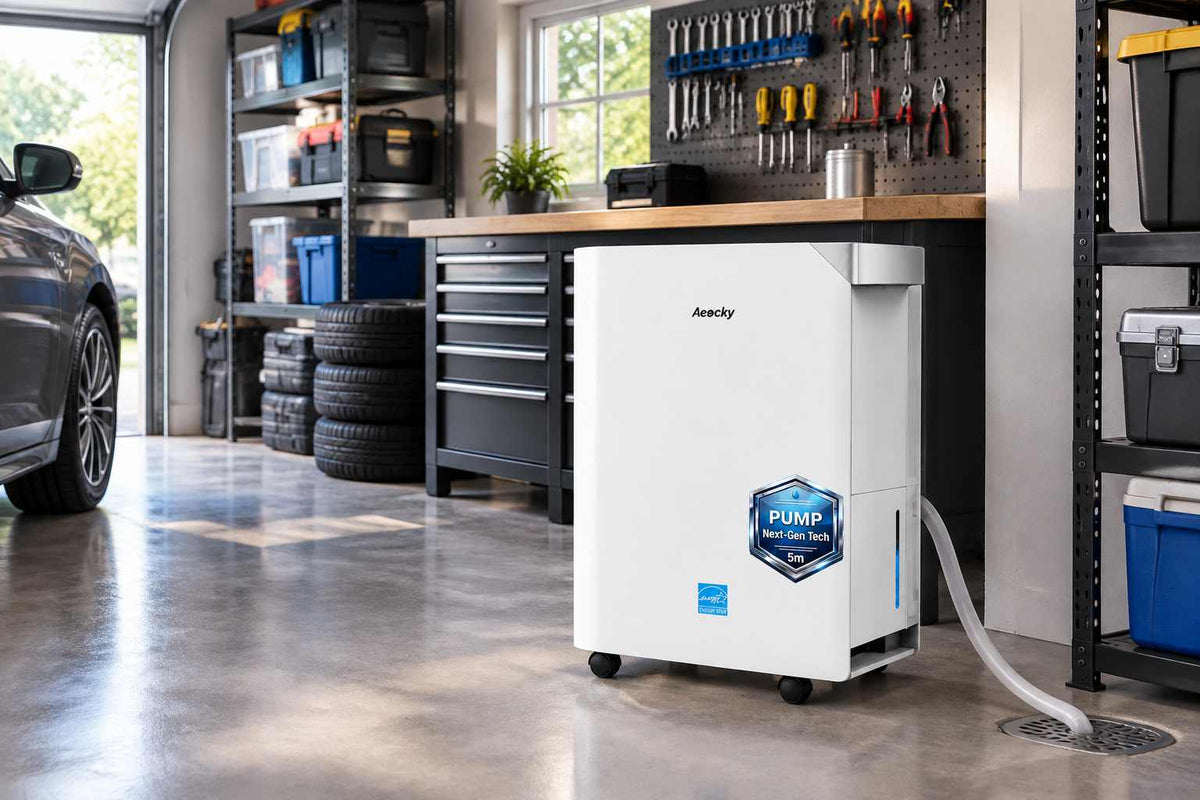
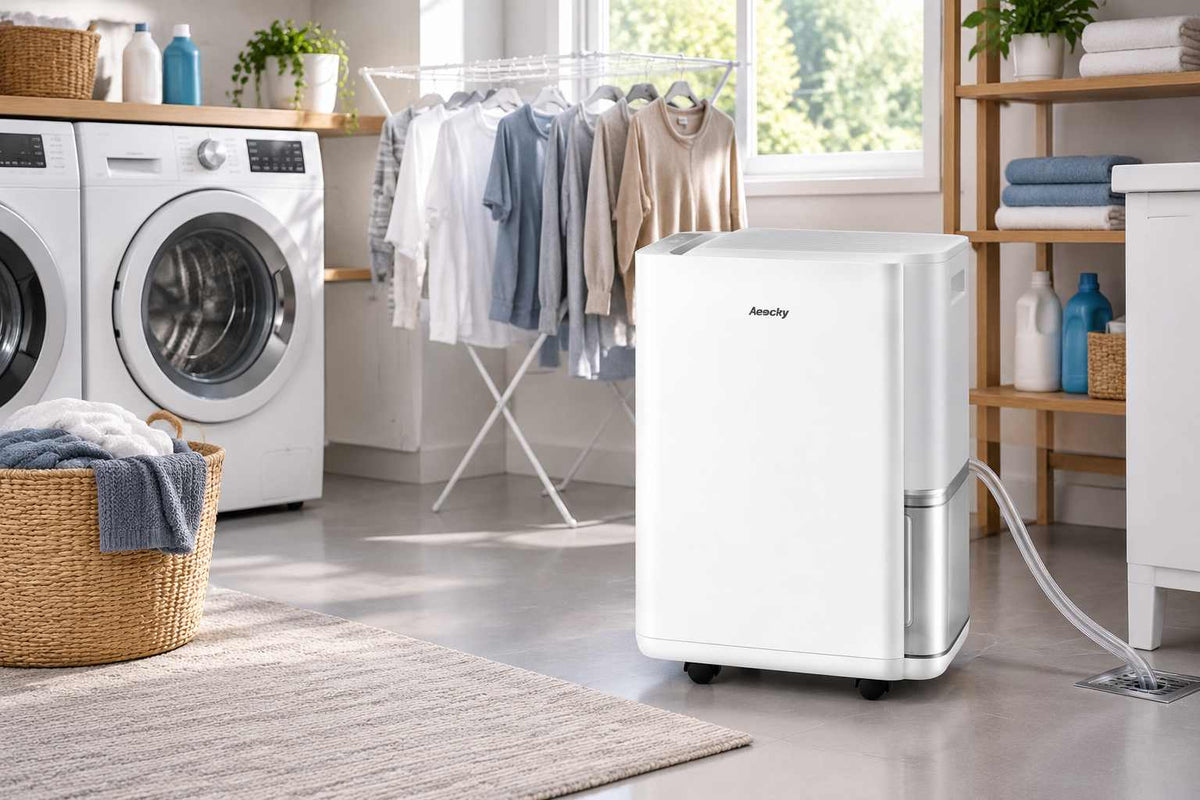
A dehumidifier with continuous drainage for RV use allows collected water to drain automatically when connected to a suitable drainage system.
Best Small Dehumidifier for RV Camper Use
For many RV owners, a compact unit is the most practical choice because RV interiors usually have limited floor and storage space.
The Aeocky Arion Small Portable Dehumidifier is designed for smaller living environments, including bedrooms and motorhomes. Its portable design makes it suitable for users who need flexible humidity control while traveling.
When choosing a compact RV dehumidifier, consider:
-
water tank capacity
-
portability
-
noise performance
-
automatic shut-off features
-
operating efficiency
The best choice depends on your RV layout and how often you need moisture control.
How to Reduce Humidity in an RV
A dehumidifier works best when combined with other moisture-control habits.
Here are practical ways to reduce humidity in an RV:
Improve Ventilation
Use roof vents, fans, and windows when weather conditions allow. Fresh airflow helps remove moisture before it accumulates.
Control Indoor Moisture Sources
Small changes can make a difference:
-
cover cooking pots
-
dry wet items outside when possible
-
use bathroom ventilation during showers
Run a Dehumidifier Regularly
Instead of waiting until condensation appears, maintain humidity levels consistently. Regular operation can help prevent moisture problems before they become serious.
Dehumidifier Maintenance Tips for RV Owners
Proper maintenance helps extend the life of your unit.
Follow these steps:
-
Empty and clean the water tank regularly
-
Clean air filters according to manufacturer instructions
-
Keep air intake areas clear
-
Store the unit properly during travel
A clean dehumidifier performs better and operates more efficiently.
Final Thoughts: Choosing the Right RV Dehumidifier
The best dehumidifier for RV use depends on your travel style, RV size, and humidity conditions. Compact models are often suitable for smaller campers, while larger RVs may require higher capacity solutions.
Before buying, focus on the features that matter most for mobile living: portability, quiet operation, energy efficiency, and drainage options. By choosing a model that matches your specific needs, you can maintain a more comfortable RV environment and better protect your belongings from moisture damage.


Leave a comment
This site is protected by hCaptcha and the hCaptcha Privacy Policy and Terms of Service apply.