

control moisture

How to Protect Cardboard Boxes and Stored Belongings from Humidity

How to Protect Cardboard Boxes and Stored Belongings from Humidity
Cardboard absorbs moisture from the air, so boxes stored in a damp basement, garage, or storage unit can soften, warp, and develop mold. Knowing how to protect cardboard boxes from humidity starts with a few practical steps: choose a dry storage location, keep boxes off the floor, allow air to circulate, and pack only clean, dry belongings. When indoor humidity stays high, a dehumidifier can help control moisture before it damages your stored items. The right approach depends on the storage space, the length of time items will remain packed, and how sensitive those belongings are to moisture.

Why Humidity Damages Cardboard Boxes

Cardboard is made from paper fibers that absorb and release moisture as surrounding conditions change. When the material takes up too much moisture, it can lose stiffness and stacking strength. Box bottoms may sag, corners can become soft, and seams may weaken under the weight of stored items.
Persistent dampness can also encourage mold and mildew. Clothing, books, photographs, important documents, and fabric decorations may develop musty odors or suffer damage if they remain in a humid environment.
Understanding what a dehumidifier does can help you decide whether better storage practices are sufficient or whether you also need to control moisture in the surrounding air.
Watch for common signs of humidity damage in cardboard storage boxes, including wavy panels, water stains, soft corners, peeling labels, musty smells, and visible mold. A box that has become structurally weak should not be trusted to hold heavy or fragile belongings.

How to Keep Cardboard Boxes from Getting Damp

  1. Choose a Dry Storage Location

Start by selecting a location with stable indoor conditions. A dry closet or well-maintained storage room is generally preferable to an area that regularly experiences condensation or water intrusion.
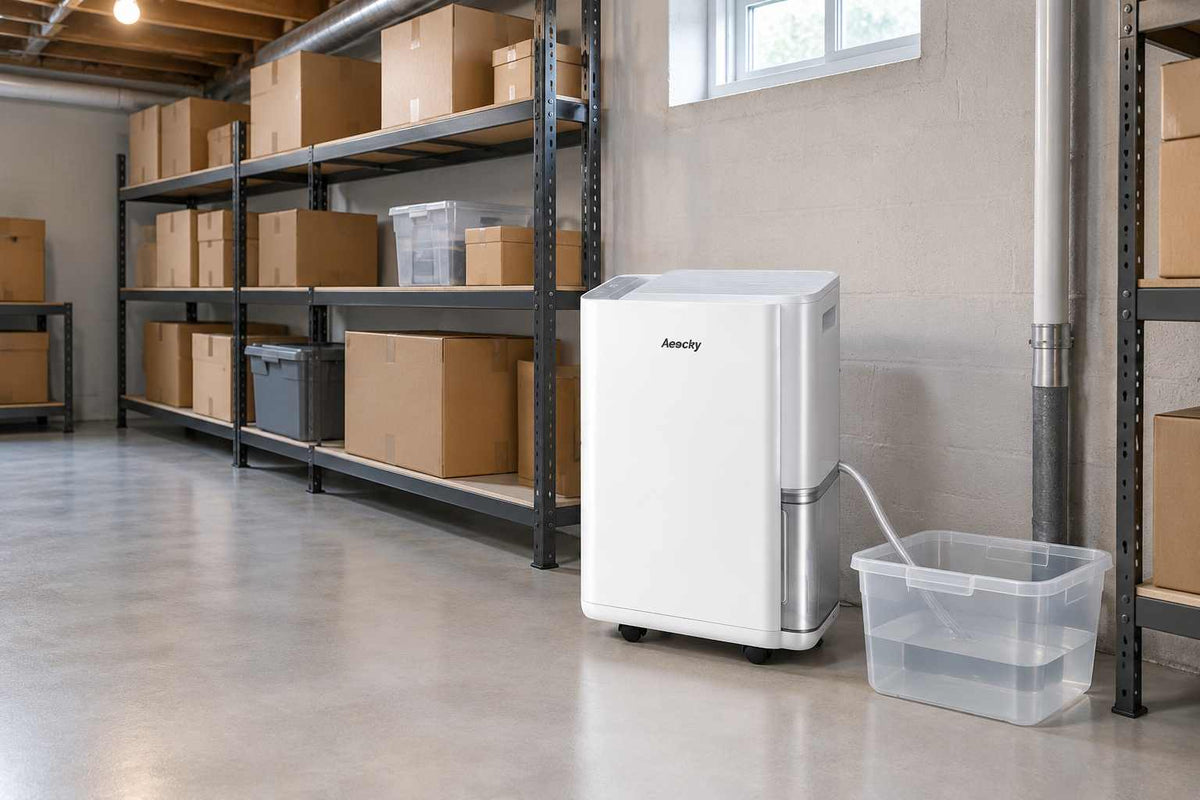
Basements and garages can still be suitable, but inspect them for plumbing leaks, damp walls, roof seepage, and signs of standing water. Avoid placing boxes directly beside exterior walls or windows where condensation may develop. Leave enough space around stacks to make inspections easier and allow air to circulate.
  1. Raise Boxes Off the Floor

One of the simplest ways to keep cardboard boxes from getting damp is to raise them above the floor. Concrete can transfer moisture to cardboard, while a minor leak or spill may soak the bottom of a box before anyone notices.
Use sturdy shelving, a dry pallet, or a raised platform. Make sure the support is stable and suitable for the combined weight of the boxes. Avoid excessively tall stacks that can crush the boxes underneath, and keep stored items away from areas where water could collect.
  1. Pack Only Clean, Dry Belongings

Check every item before putting it into storage. Clothes, bedding, shoes, and other washable materials must be completely dry. Even slightly damp fabric can introduce moisture into a closed box and create conditions that encourage unpleasant odors or mold.
Remove food residue and crumbs, and avoid storing wet cleaning supplies or recently used household items with dry belongings. For photographs, important paperwork, collectibles, and other moisture-sensitive possessions, consider suitable archival enclosures or clean plastic containers rather than relying on cardboard alone.
  1. Cover Boxes Without Trapping Moisture

Plastic sheets can protect boxes from dust, splashes, and occasional drips, but they do not control the humidity of the surrounding room. Tightly wrapping damp cardboard may trap moisture and slow drying.
If you choose plastic storage totes, place only dry belongings inside and inspect them periodically for condensation or musty smells. For long-term storage in consistently humid locations, plastic containers may offer better protection than cardboard, although their contents still need suitable environmental conditions.

How to Store Cardboard Boxes in Humid Environments

The best ways to protect cardboard boxes from humidity combine sensible placement, airflow, and regular monitoring. Leave space between stacks, keep boxes away from damp walls, and avoid overcrowding storage closets. If you are saving empty boxes for a future move, flatten them when practical and store them in a dry, clean area.
A digital hygrometer makes it easier to monitor relative humidity rather than relying on how the room feels. For many household storage areas, a practical target is around 30%–50% relative humidity. Keeping indoor humidity below 60% can help reduce conditions that favor mold, although temperature, ventilation, and the materials being stored also matter.
The ideal humidity level for storing household items is not identical for every material. Ordinary decorations may tolerate a wider range of conditions than valuable books, photographs, or archival documents. If you need more guidance, read our guide to the ideal indoor humidity level.
Check humidity readings over several days, especially during rainy weather or humid seasons. A consistently high reading suggests that improved box placement alone may not be enough. Also investigate leaks and condensation rather than assuming the problem can be solved simply by running a dehumidifier.

Use a Dehumidifier When Room Humidity Stays High

If humidity remains elevated despite better storage habits, a dehumidifier can help remove moisture from indoor air. The appropriate model depends on the room's size, moisture load, and drainage arrangements. A compact unit may suit a small enclosed room, while a larger basement or whole-house setup may require a higher-capacity model.
For additional practical methods, see our guide on how to dehumidify a room.
When choosing a dehumidifier, check the manufacturer's recommended coverage, moisture-removal capacity, operating conditions, and drainage options. Keep doors and windows closed while operating the unit when appropriate, and leave the required clearance around its air intake and exhaust. Clean or replace filters according to the manufacturer's instructions.
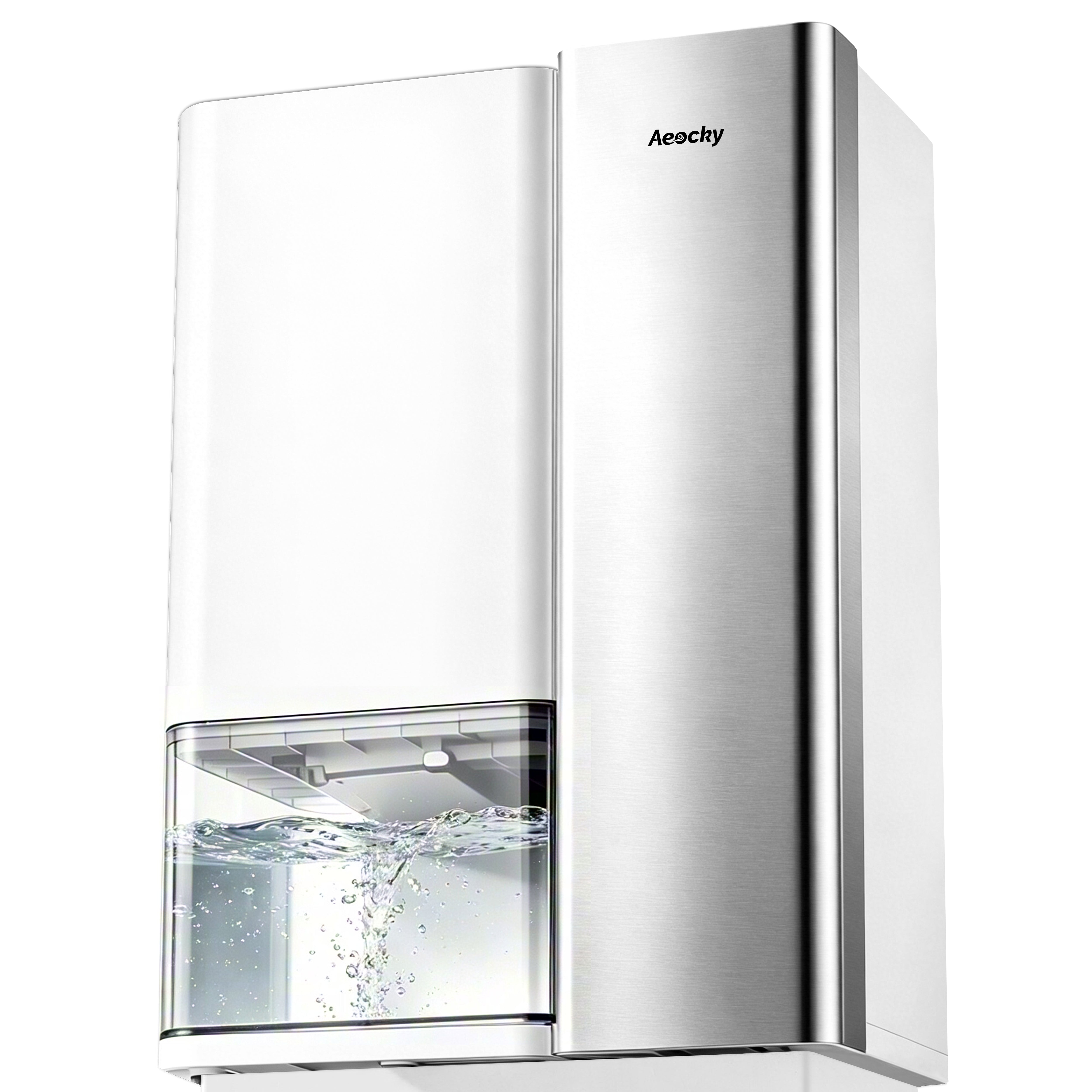
For a small room or compact storage area, the Aeocky Arion portable dehumidifier is one option to compare with your storage needs. Confirm its specifications and suitability for the intended space before purchasing.
Moisture absorbers can also help in small cupboards or enclosed containers, but their capacity is limited. They should not be expected to control humidity across an entire basement or storage room. Follow the product instructions and keep moisture-absorbing materials away from children and pets.

What to Do If Stored Boxes Already Feel Damp

If a box feels damp, move it away from other belongings and inspect both the cardboard and its contents. If the box is only slightly damp and shows no signs of mold, open it in a dry, well-ventilated area and allow the contents to dry fully. Avoid excessive heat, which may damage sensitive materials.
If visible mold is present, do not brush or shake the box indoors. Discard moldy cardboard when appropriate and handle affected contents carefully. Items with significant financial, historical, or sentimental value may require help from a qualified conservator or remediation professional, depending on the extent of the damage.
Before returning belongings to storage, identify the cause of the moisture. It could be a plumbing leak, condensation, poor airflow, or persistently high humidity. Address that cause first; otherwise, the same damage may return even after the boxes have dried.

Final Thoughts

Keeping cardboard boxes dry requires more than covering them with plastic. Choose a dry location, raise boxes off the floor, leave space for airflow, and make sure all stored belongings are clean and completely dry. Use a hygrometer to track indoor humidity and consider a dehumidifier if the room remains damp. For items that need longer-term protection, suitable plastic containers may be a better choice than cardboard. Inspect stored belongings regularly, particularly after periods of wet weather. If a box becomes soft, develops a musty smell, or shows visible mold, do not assume it is safe simply because it has dried. Preventing moisture early is usually easier than repairing damage later.
 

Reading next

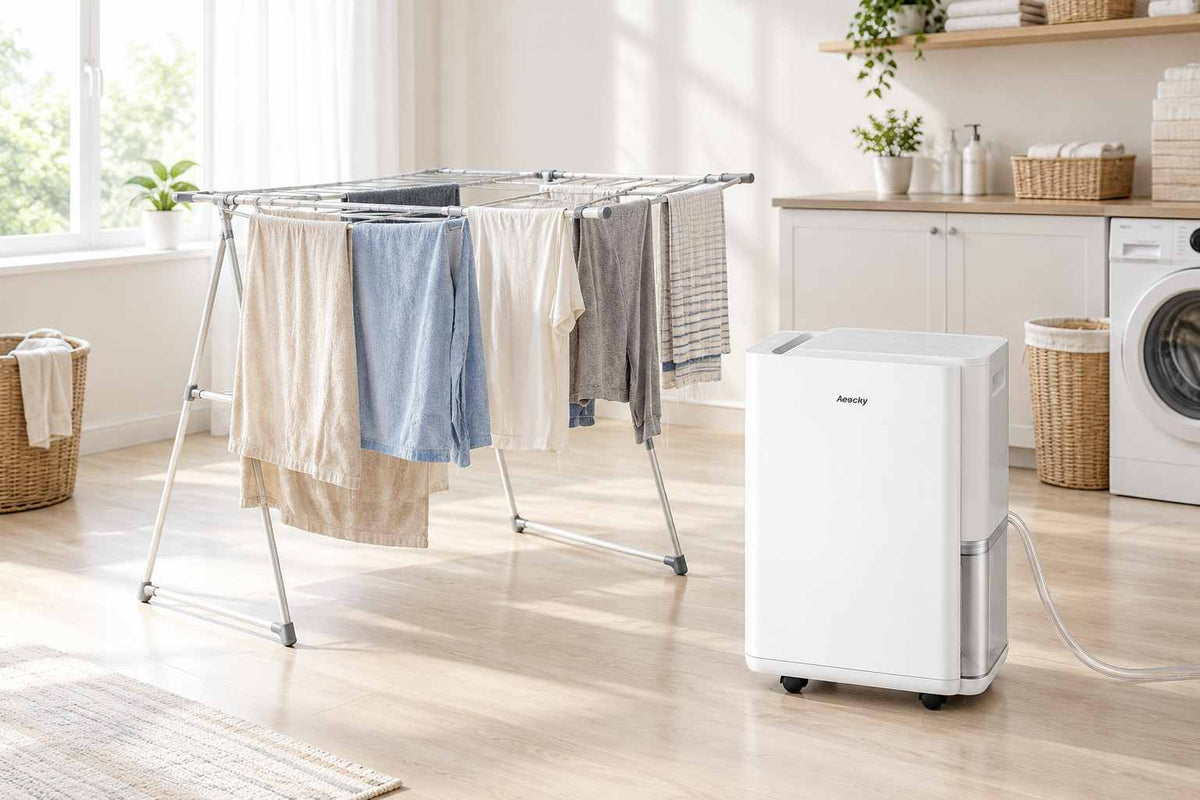
Can a Dehumidifier Help Clothes Dry Faster Indoors?
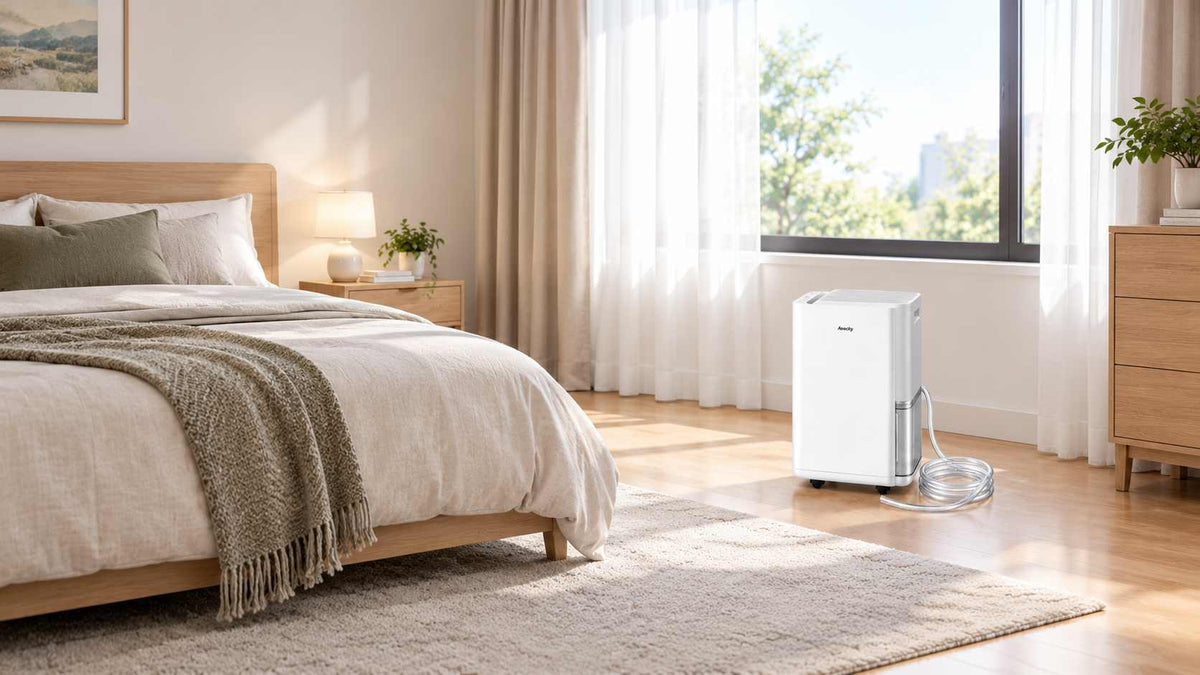
Dehumidifier Water Tank Capacity: How Often Will You Need to Empty It?

Leave a comment

This site is protected by hCaptcha and the hCaptcha Privacy Policy and Terms of Service apply.

How to Protect Cardboard Boxes and Stored Belongings from Humidity

Cardboard absorbs moisture from the air, so boxes stored in a damp basement, garage, or storage unit can soften, warp, and develop mold. Knowing how to protect cardboard boxes from humidity starts with a few practical steps: choose a dry storage location, keep boxes off the floor, allow air to circulate, and pack only clean, dry belongings. When indoor humidity stays high, a dehumidifier can help control moisture before it damages your stored items. The right approach depends on the storage space, the length of time items will remain packed, and how sensitive those belongings are to moisture.

Why Humidity Damages Cardboard Boxes

Cardboard is made from paper fibers that absorb and release moisture as surrounding conditions change. When the material takes up too much moisture, it can lose stiffness and stacking strength. Box bottoms may sag, corners can become soft, and seams may weaken under the weight of stored items.
Persistent dampness can also encourage mold and mildew. Clothing, books, photographs, important documents, and fabric decorations may develop musty odors or suffer damage if they remain in a humid environment.
Understanding what a dehumidifier does can help you decide whether better storage practices are sufficient or whether you also need to control moisture in the surrounding air.
Watch for common signs of humidity damage in cardboard storage boxes, including wavy panels, water stains, soft corners, peeling labels, musty smells, and visible mold. A box that has become structurally weak should not be trusted to hold heavy or fragile belongings.

How to Keep Cardboard Boxes from Getting Damp

  1. Choose a Dry Storage Location

Start by selecting a location with stable indoor conditions. A dry closet or well-maintained storage room is generally preferable to an area that regularly experiences condensation or water intrusion.
Basements and garages can still be suitable, but inspect them for plumbing leaks, damp walls, roof seepage, and signs of standing water. Avoid placing boxes directly beside exterior walls or windows where condensation may develop. Leave enough space around stacks to make inspections easier and allow air to circulate.
  1. Raise Boxes Off the Floor

One of the simplest ways to keep cardboard boxes from getting damp is to raise them above the floor. Concrete can transfer moisture to cardboard, while a minor leak or spill may soak the bottom of a box before anyone notices.
Use sturdy shelving, a dry pallet, or a raised platform. Make sure the support is stable and suitable for the combined weight of the boxes. Avoid excessively tall stacks that can crush the boxes underneath, and keep stored items away from areas where water could collect.
  1. Pack Only Clean, Dry Belongings

Check every item before putting it into storage. Clothes, bedding, shoes, and other washable materials must be completely dry. Even slightly damp fabric can introduce moisture into a closed box and create conditions that encourage unpleasant odors or mold.
Remove food residue and crumbs, and avoid storing wet cleaning supplies or recently used household items with dry belongings. For photographs, important paperwork, collectibles, and other moisture-sensitive possessions, consider suitable archival enclosures or clean plastic containers rather than relying on cardboard alone.
  1. Cover Boxes Without Trapping Moisture

Plastic sheets can protect boxes from dust, splashes, and occasional drips, but they do not control the humidity of the surrounding room. Tightly wrapping damp cardboard may trap moisture and slow drying.
If you choose plastic storage totes, place only dry belongings inside and inspect them periodically for condensation or musty smells. For long-term storage in consistently humid locations, plastic containers may offer better protection than cardboard, although their contents still need suitable environmental conditions.

How to Store Cardboard Boxes in Humid Environments

The best ways to protect cardboard boxes from humidity combine sensible placement, airflow, and regular monitoring. Leave space between stacks, keep boxes away from damp walls, and avoid overcrowding storage closets. If you are saving empty boxes for a future move, flatten them when practical and store them in a dry, clean area.
A digital hygrometer makes it easier to monitor relative humidity rather than relying on how the room feels. For many household storage areas, a practical target is around 30%–50% relative humidity. Keeping indoor humidity below 60% can help reduce conditions that favor mold, although temperature, ventilation, and the materials being stored also matter.
The ideal humidity level for storing household items is not identical for every material. Ordinary decorations may tolerate a wider range of conditions than valuable books, photographs, or archival documents. If you need more guidance, read our guide to the ideal indoor humidity level.
Check humidity readings over several days, especially during rainy weather or humid seasons. A consistently high reading suggests that improved box placement alone may not be enough. Also investigate leaks and condensation rather than assuming the problem can be solved simply by running a dehumidifier.

Use a Dehumidifier When Room Humidity Stays High

If humidity remains elevated despite better storage habits, a dehumidifier can help remove moisture from indoor air. The appropriate model depends on the room's size, moisture load, and drainage arrangements. A compact unit may suit a small enclosed room, while a larger basement or whole-house setup may require a higher-capacity model.
For additional practical methods, see our guide on how to dehumidify a room.
When choosing a dehumidifier, check the manufacturer's recommended coverage, moisture-removal capacity, operating conditions, and drainage options. Keep doors and windows closed while operating the unit when appropriate, and leave the required clearance around its air intake and exhaust. Clean or replace filters according to the manufacturer's instructions.
For a small room or compact storage area, the Aeocky Arion portable dehumidifier is one option to compare with your storage needs. Confirm its specifications and suitability for the intended space before purchasing.
Moisture absorbers can also help in small cupboards or enclosed containers, but their capacity is limited. They should not be expected to control humidity across an entire basement or storage room. Follow the product instructions and keep moisture-absorbing materials away from children and pets.

What to Do If Stored Boxes Already Feel Damp

If a box feels damp, move it away from other belongings and inspect both the cardboard and its contents. If the box is only slightly damp and shows no signs of mold, open it in a dry, well-ventilated area and allow the contents to dry fully. Avoid excessive heat, which may damage sensitive materials.
If visible mold is present, do not brush or shake the box indoors. Discard moldy cardboard when appropriate and handle affected contents carefully. Items with significant financial, historical, or sentimental value may require help from a qualified conservator or remediation professional, depending on the extent of the damage.
Before returning belongings to storage, identify the cause of the moisture. It could be a plumbing leak, condensation, poor airflow, or persistently high humidity. Address that cause first; otherwise, the same damage may return even after the boxes have dried.

Final Thoughts

Keeping cardboard boxes dry requires more than covering them with plastic. Choose a dry location, raise boxes off the floor, leave space for airflow, and make sure all stored belongings are clean and completely dry. Use a hygrometer to track indoor humidity and consider a dehumidifier if the room remains damp. For items that need longer-term protection, suitable plastic containers may be a better choice than cardboard. Inspect stored belongings regularly, particularly after periods of wet weather. If a box becomes soft, develops a musty smell, or shows visible mold, do not assume it is safe simply because it has dried. Preventing moisture early is usually easier than repairing damage later.


Popular Posts
Dehumidifier Water Tank Capacity: How Often Will You Need to Empty It?
How to Protect Cardboard Boxes and Stored Belongings from Humidity
Can a Dehumidifier Help Clothes Dry Faster Indoors?
Dehumidifier Capacity Loss Over Time: What Affects Long-Term Performance?
AC Dry Mode vs. Dehumidifier: Which Is Better for Humidity Control?
Dehumidifier Pints per Day Explained: What Does the Rating Really Mean?
Dehumidifier vs. Air Purifier: Which One Does Your Home Need?
Dehumidifier vs. Moisture Absorber: Which Is Better for Your Home?
Dehumidifier with a Humidistat: Is It Worth
Can You Use a Dehumidifier in an Unheated Room? Temperature Limits Explained
Aeocky Dehumidifier Warranty, Returns & Replacement: What Buyers Should Know
Best Dehumidifier for a Home Office: Quiet, Compact & Efficient Options
Best Dehumidifier for Crawl Spaces: Size, Drainage & Humidity Control
Best Dehumidifier for RV Storage: How to Protect Your RV When It's Not in Use
Best Dehumidifier for Cars: How to Prevent Moisture, Foggy Windows & Musty Odors
Is It Okay to Sleep With a Dehumidifier On? Bedroom Safety Tips
Should I run my dehumidifier during the day or at night
How to Tell If Your House Needs a Dehumidifier: Signs of High Humidity
Should I Use a Dehumidifier in the Summer?
Dehumidifiers for Pet Owners: Reducing Odors, Dampness & Pet Dander
Subscribe Us
Subscribe to our newsletter and receive a selection of cool articles every weeks