

automatic drain dehumidifier

How Does a Dehumidifier Work?

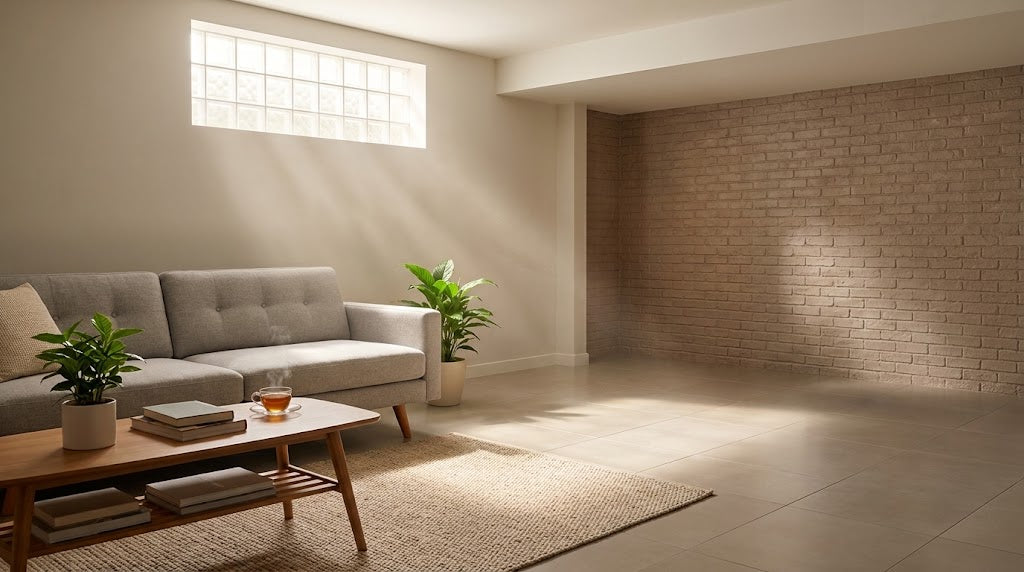
A bright, realistic home interior with a dehumidifier operating in a moisture-prone room..
A dehumidifier removes excess moisture from indoor air. It can help lower humidity, reduce that damp or sticky feeling, and make moisture-prone rooms more comfortable. But how does a dehumidifier work, and when do you actually need one? Most household models pull humid air into the unit, remove some of its water vapor, and return drier air to the room. Different technologies use different methods to remove moisture. This guide explains how dehumidifiers work, how they lower humidity, their main benefits, and what to consider when choosing one.

What Does a Dehumidifier Do?

A dehumidifier takes moisture out of the air. This can be useful when indoor humidity stays high for extended periods.
Signs of excess moisture may include a clammy feeling, condensation on windows, or a musty odor in a basement or storage area. High humidity can also create conditions that support mold and mildew growth.
A dehumidifier does not remove the source of moisture itself. If water is entering through a leak, poor drainage, or another building problem, that issue still needs to be addressed.

How Does a Dehumidifier Work?

A typical refrigerant dehumidifier works by changing the temperature and moisture content of the air as it moves through the unit.

Air Enters the Dehumidifier

The unit draws in air from the surrounding room. This air contains water vapor, which is the moisture the dehumidifier is designed to remove.

Moisture Separates From the Air

Inside the unit, the incoming air passes over a cold surface. As the air cools, some of its water vapor changes from gas into liquid water. This is the condensation stage of the process.

The Water Leaves the Airflow

The condensed moisture collects inside the dehumidifier and is directed into a water tank or drainage system. The amount of water collected depends on factors such as room temperature, humidity, and the unit's moisture-removal capacity.

The Process Repeats

Once part of its moisture has been removed, the air continues through the unit and returns to the room. The dehumidifier repeats this process while operating, gradually reducing the amount of moisture circulating indoors.
This continuous air-and-moisture cycle is what allows a dehumidifier to lower indoor humidity over time.

How Does a Dehumidifier Lower Humidity?

A dehumidifier lowers humidity by physically removing water vapor from indoor air.
Relative humidity describes the amount of moisture in the air compared with the amount it can hold at a given temperature. When moisture is removed while other conditions remain similar, relative humidity falls.
Many modern models use a humidistat or automatic humidity control to monitor indoor humidity and adjust operation. The goal is humidity control, not making the room as dry as possible.

What Are the Different Types of Dehumidifiers?

Different dehumidifiers use different moisture-removal technologies.

Refrigerant or Compressor Dehumidifiers

These models cool humid air over cold coils so water vapor condenses into liquid water. They are commonly used for bedrooms, living areas, basements, and larger spaces.

Rotary Desiccant Dehumidifiers

Rotary dehumidifiers use a desiccant material to absorb moisture from the air. This technology can be useful in cooler environments where conventional compressor models may be less suitable.
For example, the Aeocky X1-Pro Rotary Desiccant Dehumidifier uses rotary desiccant technology and is designed for low-temperature operation.

Semiconductor Dehumidifiers

Semiconductor, or Peltier, dehumidifiers use a thermoelectric cooling element to condense moisture. Their compact design makes them suitable for smaller spaces and localized moisture control.
The Aeocky VivaSilent Max Small Dehumidifier is designed for smaller spaces and uses a compact semiconductor-based approach.
The right technology depends on the size, temperature, and moisture conditions of the space.

What Are the Benefits of a Dehumidifier?

The benefits of a dehumidifier mainly come from controlling excess indoor moisture.
  • Helps control humidity: Removes water vapor and helps maintain a more manageable humidity level.
  • Improves comfort: High humidity can make rooms feel heavy, sticky, or clammy.
  • Helps reduce moisture-related conditions: Controlling humidity can reduce conditions that support mold and mildew.
  • Helps protect belongings: Lower moisture levels can be useful for storing clothing, books, wood products, and other moisture-sensitive items.
A dehumidifier is not a substitute for fixing leaks or removing existing mold.

When to Use a Dehumidifier

Knowing when to use a dehumidifier is often easier when you know what signs to look for.
Consider using one when:
  • A room regularly feels damp or sticky.
  • Windows frequently develop condensation.
  • A basement or storage area has a musty odor.
  • Indoor humidity remains consistently high.
  • Showers or laundry add substantial moisture to a room.
Basements are a common application because they can receive moisture from surrounding soil and may have less air movement than occupied rooms.
If flooding, plumbing leaks, or water intrusion is involved, fix the source of the moisture first.

What Size Dehumidifier Do You Need?

Room size matters, but it is not the only factor. A mildly damp room and a very wet basement with the same floor area may require different moisture-removal capacity.
When comparing models, consider:
  • Coverage area
  • Moisture-removal capacity
  • Humidity control
  • Drainage options
  • Temperature and operating conditions
  • Noise and placement
A larger or wetter space generally requires more capacity, while a small room may only need a compact unit.

How to Use a Dehumidifier Effectively

Set an appropriate humidity level rather than simply running the unit continuously. A general indoor target is around 30% to 50% relative humidity.
Keep enough space around the unit for proper airflow. Empty the water tank when needed, or use continuous drainage if the model supports it.
The filter also needs regular cleaning. Follow the manufacturer's maintenance instructions to keep airflow and normal operation from being affected by dust and debris.

Common Dehumidifier Mistakes to Avoid

Choosing only by room size. Moisture level matters as much as floor area.
Expecting a dehumidifier to fix a leak. It removes moisture from the air but does not stop water from entering a building.
Ignoring drainage. A full tank can stop many units from operating.
Forgetting maintenance. Dirty filters and restricted airflow can affect performance.
Blocking airflow. Leave sufficient open space around the air intake and outlet.

Choosing a Dehumidifier for Your Space

The right dehumidifier depends on the conditions of the space.
For larger or wetter areas, look at moisture-removal capacity and coverage area. For cooler environments, consider whether the technology is designed for low-temperature operation. For small rooms or localized moisture, a compact semiconductor model may be sufficient.
Features such as automatic humidity control, continuous drainage, pump-assisted drainage, and noise level can also affect how practical a unit is for everyday use.
The key is to match the dehumidifier's technology and capacity with the actual moisture conditions of your space.

Final Thoughts

A dehumidifier removes excess water vapor from indoor air to help control humidity.
Understanding how a dehumidifier works makes it easier to choose the right type and capacity for your space. Compressor, rotary desiccant, and semiconductor models use different approaches to moisture removal, so consider room size, humidity level, temperature, and drainage needs before choosing a unit.
The goal is not to make a room as dry as possible. It is to keep excess moisture under control so the space stays more comfortable and manageable.


Reading next

What Does a Dehumidifier Do?
Does a Dehumidifier Cool a Room? Dehumidifier vs. Air Conditioner

Leave a comment

This site is protected by hCaptcha and the hCaptcha Privacy Policy and Terms of Service apply.

How Does a Dehumidifier Work?

A dehumidifier removes excess moisture from indoor air. It can help lower humidity, reduce that damp or sticky feeling, and make moisture-prone rooms more comfortable. But how does a dehumidifier work, and when do you actually need one? Most household models pull humid air into the unit, remove some of its water vapor, and return drier air to the room. Different technologies use different methods to remove moisture. This guide explains how dehumidifiers work, how they lower humidity, their main benefits, and what to consider when choosing one.

What Does a Dehumidifier Do?

A dehumidifier takes moisture out of the air. This can be useful when indoor humidity stays high for extended periods.
Signs of excess moisture may include a clammy feeling, condensation on windows, or a musty odor in a basement or storage area. High humidity can also create conditions that support mold and mildew growth.
A dehumidifier does not remove the source of moisture itself. If water is entering through a leak, poor drainage, or another building problem, that issue still needs to be addressed.

How Does a Dehumidifier Work?

A typical refrigerant dehumidifier works by changing the temperature and moisture content of the air as it moves through the unit.

Air Enters the Dehumidifier

The unit draws in air from the surrounding room. This air contains water vapor, which is the moisture the dehumidifier is designed to remove.

Moisture Separates From the Air

Inside the unit, the incoming air passes over a cold surface. As the air cools, some of its water vapor changes from gas into liquid water. This is the condensation stage of the process.

The Water Leaves the Airflow

The condensed moisture collects inside the dehumidifier and is directed into a water tank or drainage system. The amount of water collected depends on factors such as room temperature, humidity, and the unit's moisture-removal capacity.

The Process Repeats

Once part of its moisture has been removed, the air continues through the unit and returns to the room. The dehumidifier repeats this process while operating, gradually reducing the amount of moisture circulating indoors.
This continuous air-and-moisture cycle is what allows a dehumidifier to lower indoor humidity over time.

How Does a Dehumidifier Lower Humidity?

A dehumidifier lowers humidity by physically removing water vapor from indoor air.
Relative humidity describes the amount of moisture in the air compared with the amount it can hold at a given temperature. When moisture is removed while other conditions remain similar, relative humidity falls.
Many modern models use a humidistat or automatic humidity control to monitor indoor humidity and adjust operation. The goal is humidity control, not making the room as dry as possible.

What Are the Different Types of Dehumidifiers?

Different dehumidifiers use different moisture-removal technologies.

Refrigerant or Compressor Dehumidifiers

These models cool humid air over cold coils so water vapor condenses into liquid water. They are commonly used for bedrooms, living areas, basements, and larger spaces.

Rotary Desiccant Dehumidifiers

Rotary dehumidifiers use a desiccant material to absorb moisture from the air. This technology can be useful in cooler environments where conventional compressor models may be less suitable.
For example, the Aeocky X1-Pro Rotary Desiccant Dehumidifier uses rotary desiccant technology and is designed for low-temperature operation.

Semiconductor Dehumidifiers

Semiconductor, or Peltier, dehumidifiers use a thermoelectric cooling element to condense moisture. Their compact design makes them suitable for smaller spaces and localized moisture control.
The Aeocky VivaSilent Max Small Dehumidifier is designed for smaller spaces and uses a compact semiconductor-based approach.
The right technology depends on the size, temperature, and moisture conditions of the space.

What Are the Benefits of a Dehumidifier?

The benefits of a dehumidifier mainly come from controlling excess indoor moisture.
  • Helps control humidity: Removes water vapor and helps maintain a more manageable humidity level.
  • Improves comfort: High humidity can make rooms feel heavy, sticky, or clammy.
  • Helps reduce moisture-related conditions: Controlling humidity can reduce conditions that support mold and mildew.
  • Helps protect belongings: Lower moisture levels can be useful for storing clothing, books, wood products, and other moisture-sensitive items.
A dehumidifier is not a substitute for fixing leaks or removing existing mold.

When to Use a Dehumidifier

Knowing when to use a dehumidifier is often easier when you know what signs to look for.
Consider using one when:
  • A room regularly feels damp or sticky.
  • Windows frequently develop condensation.
  • A basement or storage area has a musty odor.
  • Indoor humidity remains consistently high.
  • Showers or laundry add substantial moisture to a room.
Basements are a common application because they can receive moisture from surrounding soil and may have less air movement than occupied rooms.
If flooding, plumbing leaks, or water intrusion is involved, fix the source of the moisture first.

What Size Dehumidifier Do You Need?

Room size matters, but it is not the only factor. A mildly damp room and a very wet basement with the same floor area may require different moisture-removal capacity.
When comparing models, consider:
  • Coverage area
  • Moisture-removal capacity
  • Humidity control
  • Drainage options
  • Temperature and operating conditions
  • Noise and placement
A larger or wetter space generally requires more capacity, while a small room may only need a compact unit.

How to Use a Dehumidifier Effectively

Set an appropriate humidity level rather than simply running the unit continuously. A general indoor target is around 30% to 50% relative humidity.
Keep enough space around the unit for proper airflow. Empty the water tank when needed, or use continuous drainage if the model supports it.
The filter also needs regular cleaning. Follow the manufacturer's maintenance instructions to keep airflow and normal operation from being affected by dust and debris.

Common Dehumidifier Mistakes to Avoid

Choosing only by room size. Moisture level matters as much as floor area.
Expecting a dehumidifier to fix a leak. It removes moisture from the air but does not stop water from entering a building.
Ignoring drainage. A full tank can stop many units from operating.
Forgetting maintenance. Dirty filters and restricted airflow can affect performance.
Blocking airflow. Leave sufficient open space around the air intake and outlet.

Choosing a Dehumidifier for Your Space

The right dehumidifier depends on the conditions of the space.
For larger or wetter areas, look at moisture-removal capacity and coverage area. For cooler environments, consider whether the technology is designed for low-temperature operation. For small rooms or localized moisture, a compact semiconductor model may be sufficient.
Features such as automatic humidity control, continuous drainage, pump-assisted drainage, and noise level can also affect how practical a unit is for everyday use.
The key is to match the dehumidifier's technology and capacity with the actual moisture conditions of your space.

Final Thoughts

A dehumidifier removes excess water vapor from indoor air to help control humidity.
Understanding how a dehumidifier works makes it easier to choose the right type and capacity for your space. Compressor, rotary desiccant, and semiconductor models use different approaches to moisture removal, so consider room size, humidity level, temperature, and drainage needs before choosing a unit.
The goal is not to make a room as dry as possible. It is to keep excess moisture under control so the space stays more comfortable and manageable.
Popular Posts
Dehumidifier Water Tank Capacity: How Often Will You Need to Empty It?
How to Protect Cardboard Boxes and Stored Belongings from Humidity
Can a Dehumidifier Help Clothes Dry Faster Indoors?
Dehumidifier Capacity Loss Over Time: What Affects Long-Term Performance?
AC Dry Mode vs. Dehumidifier: Which Is Better for Humidity Control?
Dehumidifier Pints per Day Explained: What Does the Rating Really Mean?
Dehumidifier vs. Air Purifier: Which One Does Your Home Need?
Dehumidifier vs. Moisture Absorber: Which Is Better for Your Home?
Dehumidifier with a Humidistat: Is It Worth
Can You Use a Dehumidifier in an Unheated Room? Temperature Limits Explained
Aeocky Dehumidifier Warranty, Returns & Replacement: What Buyers Should Know
Best Dehumidifier for a Home Office: Quiet, Compact & Efficient Options
Best Dehumidifier for Crawl Spaces: Size, Drainage & Humidity Control
Best Dehumidifier for RV Storage: How to Protect Your RV When It's Not in Use
Best Dehumidifier for Cars: How to Prevent Moisture, Foggy Windows & Musty Odors
Is It Okay to Sleep With a Dehumidifier On? Bedroom Safety Tips
Should I run my dehumidifier during the day or at night
How to Tell If Your House Needs a Dehumidifier: Signs of High Humidity
Should I Use a Dehumidifier in the Summer?
Dehumidifiers for Pet Owners: Reducing Odors, Dampness & Pet Dander
Subscribe Us
Subscribe to our newsletter and receive a selection of cool articles every weeks